
 Cart is empty
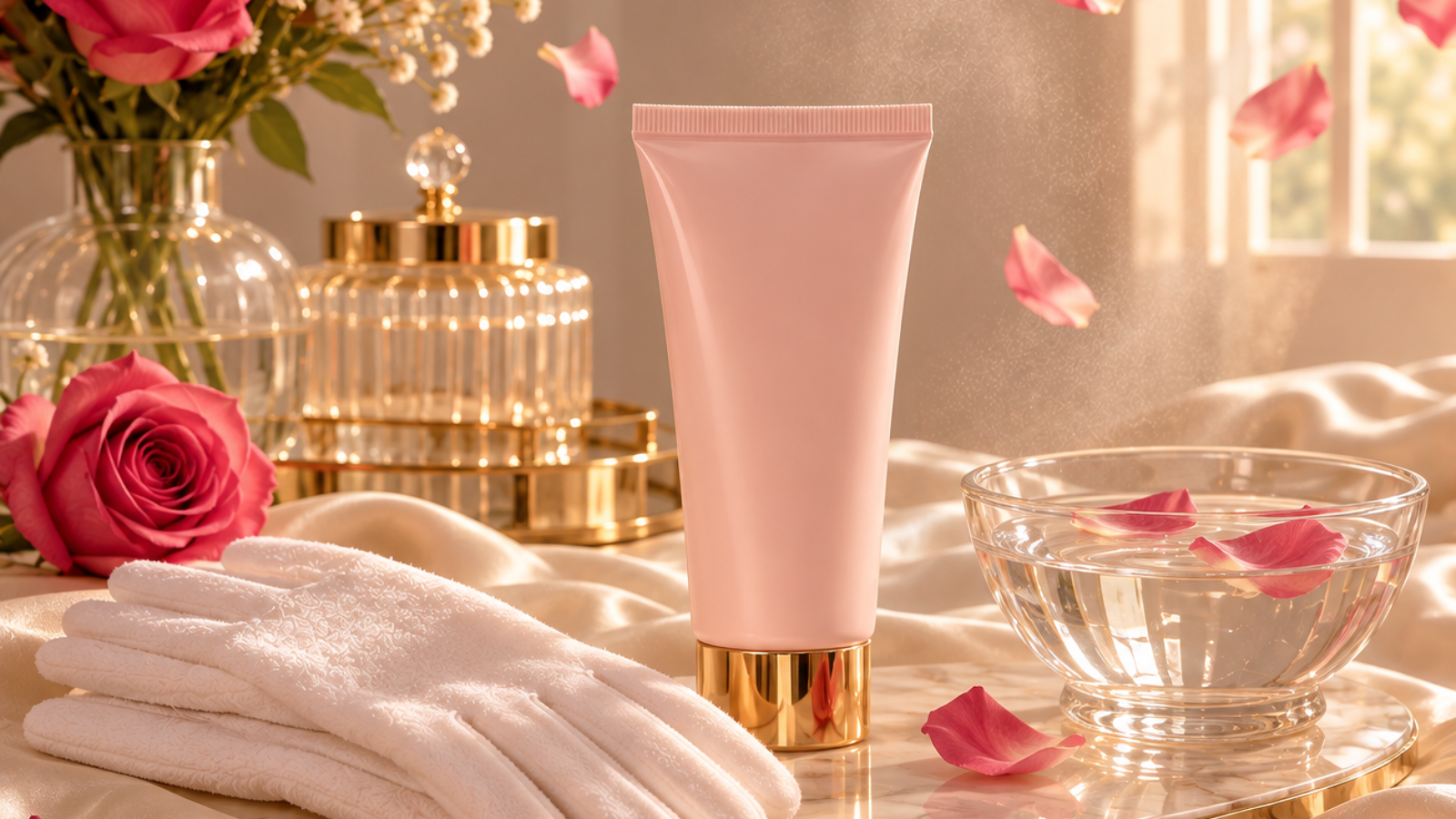
Quick answer: A hand care routine for dry hands has four habits: wash with lukewarm water and a mild, fragrance-free cleanser, moisturize right after every wash, wear gloves for wet chores, and use a thick cream or ointment at night. Remove rings before washing. If skin cracks, bleeds or itches badly, see a dermatologist.
Your hands do more work than any other part of your skin. They cook, clean, wash, carry and type all day, and most of us give them a quick squeeze of cream when they’re already cracked.
A simple hand care routine fixes that before the damage starts. This guide shows you how to wash, moisturize and protect your hands, with a night routine for rough patches. If you’re also building a full routine, start with our guide to the best skincare products in Pakistan.
Why do hands get so dry?
Because they’re washed more than any other skin. Kitchen work, cleaning, washing before prayers and everyday hygiene all strip the natural oils that protect your skin. At Vanderbilt University Medical Center, a dermatologist explains that hand dermatitis is fundamentally caused by the breakdown of the natural oil barrier the skin makes to protect itself.
Heat, sweat and cold air make it worse. The American Academy of Dermatology notes that heat, dryness and sweat can trigger flare-ups in people with a type of hand eczema, and that cold weather is very drying for the hands. So dry hands aren’t only a winter problem in Pakistan.
What is the wash, seal, protect rule?
Here’s the rule I’d follow. It’s my own, built on dermatologist advice, so treat it as a suggestion.
| Step | What to do | When |
|---|---|---|
| Wash gently | Lukewarm water, mild fragrance-free cleanser | Whenever you wash |
| Seal | Moisturize on damp skin | Straight after every wash |
| Protect | Gloves for wet chores and cold weather | During chores and outdoors |
How should you wash your hands gently?
You still need to wash your hands. You just need to do it kindly. The AAD’s self-care advice for hand eczema suggests these habits:
- Use lukewarm water, not hot.
- Wash with a mild, fragrance-free cleanser, and skip antibacterial and deodorant soaps.
- Remove your rings before you wash. If the skin under a ring stays wet and damp, it can flare up.
- Rinse well and pat your hands dry.
This advice is written for people with hand eczema, but the same gentle habits help any dry hands.
Which hand moisturizer should you choose?
One that’s fragrance-free and thick enough to hold moisture in. The AAD recommends a fragrance-free cream or ointment, and warns against thin lotions for people with hand eczema. Dermatologists quoted by the AAD also suggest looking for a product that contains glycerin or petrolatum and applying it immediately after washing and many times a day.
The Vanderbilt dermatologist adds that ointments work better than creams or lotions, and that products scooped from a jar seal the skin better than those that pump from a bottle.
Our guide to skincare for dry skin explains the difference between lotions, creams and ointments. If your skin reacts easily, read our guide to skincare for sensitive skin.
How do you protect your hands during chores?
With gloves. The AAD advises putting on gloves before your hands get wet, and wearing the right glove for the job. For wet work, it suggests 100% cotton gloves under waterproof gloves, because the cotton layer helps prevent irritation. Other dermatologists add that you should replace gloves that develop a hole, and never wear wet gloves.
In cold weather, wear warm gloves outdoors, because cold air pulls moisture out of your skin.
What is a good night routine for rough hands?
Here’s the soak and smear method that Vanderbilt dermatologists use for dry or inflamed skin:
- Soak your hands in lukewarm water for a few minutes. All skin treatments work better on damp skin.
- Pat dry gently.
- Smear on a generous layer of fragrance-free moisturizer or ointment.
- For rough patches, wear clean cotton gloves for an hour, or overnight.
Plastic gloves are not the best choice for this, because hands sweat in them, which can irritate skin.
Where should you keep your hand cream?
Here’s a tiny rule I use. It’s my own. Keep a moisturizer in three places: by the sink, in your bag and by your bed. You’ll use it three times as often, and frequent small layers help more than one big one. That’s what the AAD advice also points to: apply it after washing and whenever your skin feels dry.
Does Pakistan’s weather change your hand care routine?
A little. In hot, humid months, sweat and frequent washing both irritate your skin, so keep your routine light and your moisturizer fragrance-free. Our guide to skincare for humid weather has more tips. In winter, add warm gloves and a thicker cream. Our winter skincare routine explains how.
Which hand care mistakes should you avoid?
- Washing with very hot water.
- Using strongly scented or antibacterial soaps for every wash.
- Skipping moisturizer after washing.
- Wearing rings while you wash.
- Doing wet chores without gloves.
- Testing a strongly scented new hand cream on already cracked skin. Patch test new products first.
When should you see a dermatologist?
See one if your hands are cracked, bleeding, blistered, weeping or very itchy, or if they don’t improve after a couple of weeks of gentle care. Hand rashes can have many causes, including an allergy that develops after years of touching the same thing, as AAD dermatologists point out. A new cream can’t replace proper medical advice.
FAQs about the hand care routine
What is the best hand care routine for dry hands?
Wash with lukewarm water and a mild, fragrance-free cleanser, moisturize right after every wash, wear gloves for wet chores, and use a thick cream or ointment at night. Remove rings before washing.
How often should you moisturize your hands?
After every hand wash, and whenever your skin feels dry. The AAD advises applying moisturizer after washing and many times throughout the day. Keep a small tube where you can reach it.
Is hand cream or lotion better for very dry hands?
For very dry hands, dermatologists generally prefer a thicker cream or ointment over a thin lotion. Choose a fragrance-free product, and apply it to damp skin.
Should you wear gloves when washing dishes?
Yes. Water, detergents and household cleaners irritate hands. The AAD suggests cotton gloves under waterproof gloves for wet work. Replace gloves that develop a hole, and never wear wet ones.
Why do my hands crack in winter?
Cold air pulls moisture from your skin, and frequent washing removes natural oils. Wear warm gloves outdoors, wash with lukewarm water, and moisturize after every wash.
When should you see a doctor about dry hands?
See one if your hands crack, bleed, blister or itch badly, or if gentle care doesn’t help after a couple of weeks. A dermatologist can find the cause and suggest the right treatment.
Looking for gentle basics? Browse our body care collection and check each product page for details.
Add a Comment