Gel jar and soft cotton cloth on cream silk with rose petals, how to exfoliate your face safely in Pakistan

How to Exfoliate Your Face Safely: A Simple Pakistan Guide

Quick answer: How to exfoliate safely: exfoliation is optional, so start once a week at most, use gentle pressure and avoid the eye area. The more aggressive the method, the less often you should do it. Skip irritated or flared skin, then moisturize and wear sunscreen. If you’re unsure, see a dermatologist.

Smooth skin feels so good that it’s easy to overdo exfoliation. One extra scrub becomes three a week, and suddenly your skin is red, tight and stinging.

This guide helps you decide whether to exfoliate at all, and how to do it without damaging your skin. If you want the skincare basics first, start with our guide to the best skincare products in Pakistan.

Do you need to exfoliate?

Not necessarily. The American Academy of Dermatology’s advice on how to safely exfoliate at home starts with “if you choose to exfoliate”, so it treats exfoliation as a choice, not a requirement. It adds that you should do it safely, so it doesn’t damage your skin or lead to more redness or acne breakouts.

A gentle cleanser, a moisturizer and sunscreen already do most of the work. Exfoliation is an extra.

What is the exfoliation readiness check?

Before you exfoliate, answer these four questions. It’s my own checklist, built from dermatologist advice, so treat it as a suggestion.

QuestionIf the answer is no
Is my skin calm, with no stinging, flaking or active irritation?Wait until it recovers
Do I have a flare of eczema, rosacea or an active skin infection?Skip exfoliation and see a dermatologist
Am I already using strong products, such as retinol or acids?Don’t add exfoliation on top
Do I wear sunscreen every morning?Start with sunscreen first

Dermatologists quoted by Prevention say people with active skin infections or recently flared skin conditions like eczema or rosacea should pause exfoliation until their skin has recovered. If you answered no to any question, it’s a good day to skip.

Should you choose a physical or chemical exfoliant?

There are two types. Physical exfoliants, such as scrubs, remove dead skin by rubbing. Chemical exfoliants, such as acid products, dissolve the bonds between dead skin cells. Dermatologists don’t all agree on which is better, so here’s a fair summary.

TypeWhat dermatologists sayWatch out
Physical (scrubs)Can work if they’re gentle. Others say they can cause too much irritationDon’t scrub hard, and avoid the eye area
Chemical (acids)NBC Select reports that many dermatologists prefer them because they tend to be less harshStrong acids can irritate, especially sensitive skin

For beginners, I’d start with a gentle method and the lowest frequency, and leave strong acids until your basics are steady. The AAD notes that ingredients such as retinol and glycolic acid can irritate sensitive skin. Our guide to skincare for sensitive skin explains more.

How often should you exfoliate?

There’s no single answer, and the sources differ. The AAD says the right schedule depends on your skin type and your method, and that, in general, the more aggressive the exfoliation, the less often you should do it.

SourceWhat it says
AADIt depends on skin type and method. More aggressive means less often
skincare.com, summarising the AADThe more sensitive your skin, the less often. Once a week is a good starting point
A dermatology clinic’s guideOily skin may tolerate two or three times a week. Combination skin about twice a week

So here’s my start-slow ladder. It’s my own, so treat it as a suggestion:

  1. Week 1: exfoliate once. Then watch how your skin looks and feels the next day.
  2. Next weeks: only add a second time if your skin stayed calm. Otherwise stay at once a week, or less.
  3. At any sign of redness, stinging or tightness: stop for a while.

How do you exfoliate your face step by step?

For a gentle physical exfoliant, such as a scrub gel:

  1. Wash your face with a gentle cleanser and pat it dry.
  2. Apply a small amount, as the pack directs.
  3. Use light circles with your fingertips. Avoid the eye area and any irritated spots.
  4. Rinse with lukewarm water.
  5. Moisturize straight away.
  6. Wear sunscreen in the morning. Our guide on how to choose sunscreen explains the label.

Don’t use other strong products on the same day. A dermatologist quoted by Who What Wear advises against putting other harsh chemicals on your face on the day you use a chemical exfoliant, and the same caution makes sense for scrubs.

What are the signs you’re overdoing it?

Watch for these. Over-exfoliation can weaken your skin’s natural barrier, according to dermatologists quoted by skincare.com.

  • Redness or a stinging feeling.
  • Tight, dry or flaky skin.
  • New breakouts.
  • Products that suddenly sting that never did before.

If you see them, stop exfoliating, keep your routine to a gentle cleanser, moisturizer and sunscreen, and see a dermatologist if the irritation lasts. Our guide to skincare for acne-prone skin explains why scrubbing makes breakouts worse.

Does Pakistan’s weather change how you exfoliate?

Yes. Strong sun means your skin needs sunscreen every morning after you exfoliate. In hot, humid months, oily skin may tolerate exfoliation a little better, but sweat and a sunburn raise the risk of irritation. See our guide to skincare for humid weather and skincare for oily skin. In cold, dry months, exfoliate less often, because dry skin is easily irritated. Our winter skincare routine explains how.

What about our exfoliating gel?

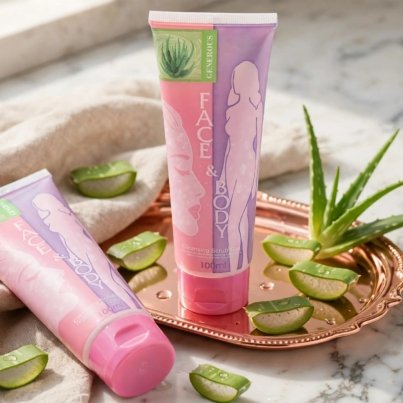
Our Premium Exfoliating Gel is a 100 ml scrubbing gel listed for face and body. Its page says what I’d say too: more scrubbing is not better. Follow the directions on the pack, start with the lowest frequency, and patch test it first. If you have sensitive skin, acne or eczema, ask a dermatologist before you use any scrub.

How do you buy exfoliating products online safely?

Ask for a clear photo of the back label, and check the ingredient list and batch code. Be wary of products that promise “instant glow” or “results in one use”. Our skincare ingredient list guide shows how to read the label, and our guide to identifying original cosmetics in Pakistan has the full parcel checklist.

FAQs about how to exfoliate

How often should you exfoliate your face?
It depends on your skin type and your method. A good starting point is once a week. The more sensitive your skin, the less often, and the more aggressive the method, the less often too.

Is exfoliating necessary?
No. The AAD treats it as a choice. A gentle cleanser, moisturizer and sunscreen cover the basics.

Is a scrub or an acid better for exfoliating?
Dermatologists don’t agree. Many prefer chemical exfoliants because scrubs can irritate, while others say gentle scrubs are fine. Whichever you choose, start slowly and avoid strong products if your skin is sensitive.

Can you exfoliate every day?
It’s not a good idea. Over-exfoliating can weaken your skin’s barrier and cause redness, irritation and breakouts. Most routines use it a few times a week at most, and many people need less.

Should you exfoliate before or after washing your face?
After. Dermatologists suggest applying an exfoliant to clean skin. Then rinse, moisturize and wear sunscreen in the morning.

Who should avoid exfoliating?
Anyone with irritated skin, a sunburn, an active skin infection, or a recent flare of eczema or rosacea should wait until their skin recovers. If you aren’t sure, ask a dermatologist.

Ready to build a gentle routine? Browse our skincare collection and check each product page for details.

Compact powder, foundation bottle and blotting papers on cream silk with rose petals, makeup for oily skin in Pakistan

Makeup for Oily Skin: A Simple Guide for Pakistan

Quick answer: Makeup for oily skin works best in thin layers. Prep with a light moisturizer and sunscreen, choose products labelled oil-free, non-comedogenic or “won’t clog pores”, and set only the oily T-zone with a matte powder. Blot before you touch up, and always remove makeup at night.

More makeup doesn’t hide shine. It usually makes shine look worse, because every extra layer has to sit on top of oil.

So the goal isn’t more coverage. It’s a lighter base, smarter products and a few good habits. This guide shows how to build makeup for oily skin that lasts in Pakistan’s heat. If you want the skincare side first, start with our guide to the best skincare products in Pakistan.

What makeup works best for oily skin?

Look at the label before you look at the shade. The American Academy of Dermatology advises choosing non-comedogenic makeup, which is made not to clog pores. A summary of AAD advice in HealthDay adds that you should look for products labelled “oil free” and “noncomedogenic”. The AAD also says products labelled “matte” can help reduce shine.

LabelWhat it means
Oil-freeThe product doesn’t contain added oil
Non-comedogenic, or “won’t clog pores”It’s made not to clog pores
MatteA flat, low-shine finish that can reduce shine

Fragrance-free is a bonus if your skin is also sensitive. Our guide to skincare for oily skin explains the rest of the routine.

What is the thin-layer rule?

Here’s the rule I’d follow. It’s my own, so treat it as a suggestion. Build makeup in three thin layers, and stop as soon as your skin looks good.

LayerWhat to do
1. SkinGentle wash, a light moisturizer and sunscreen
2. BaseA thin layer of foundation or concealer, only where you need it
3. PowderA matte powder pressed only on the oily T-zone: forehead, nose and chin

If your skin looks good after layer 1 and a little concealer, skip the foundation. Less product means less to melt off by lunchtime.

How do you prep oily skin for makeup?

Prep decides how makeup behaves. Cleanse gently, because a harsh wash can irritate skin and trigger more oil, as the AAD warns. Then apply a light moisturizer, because even oily skin needs one. Finish with sunscreen. The AAD advises a broad-spectrum, SPF 30 or higher, water-resistant sunscreen, and our guide on how to choose sunscreen explains the label.

Wait a few minutes before you apply makeup, so your moisturizer and sunscreen can settle.

How do you touch up without caking?

Blot first, then powder. Adding powder on top of oil is how makeup turns patchy. The AAD recommends using blotting papers throughout the day. Press the paper on the shiny spots without rubbing, then add a little powder only if you need it.

That’s my own “blot, then powder” rule. Keep a small pack of blotting papers and your powder in your bag, and don’t keep adding layers all day.

Is waterproof or long-wear makeup good for oily skin?

It’s a trade-off. Long-wear and waterproof formulas resist sweat and shine, which is useful for weddings and long days. But they’re harder to remove, and the AAD warns that even non-comedogenic makeup can cause acne if you sleep in it.

My advice: save long-wear formulas for events, and use a proper remover and a gentle cleanser that night. Don’t rely on a quick wipe.

Which products suit oily skin?

My view, based on how the finishes behave:

  • Base: a soft-matte, thin foundation, or just concealer.
  • Powder: a matte or translucent powder for the T-zone.
  • Blush: powder blush tends to sit better on oily skin than creamy products.
  • Eyes: a quick blot of the lids before eye makeup helps it stay put.

On our shelf: the Matte Face Powder in Natural Beige is a 100-percent-matte, medium-coverage powder made for oily skin. Its page lists 12-hour wear, but wear time depends on your skin, the weather and how you apply it, so treat that as the best case. You can see it here, or browse our face makeup collection.

How does Pakistan’s weather affect oily-skin makeup?

Heat and humidity mean more sweat and more shine, so keep layers thin. In sticky months, our guide to skincare for humid weather shows how to lighten your routine. Also check your foundation in daylight again at the end of the day, because your skin changes through the day. Our guide to choosing a foundation shade online explains how.

Which makeup mistakes should you avoid?

  • Piling on powder over shiny skin.
  • Skipping moisturizer, so skin makes more oil.
  • Using a heavy, creamy base all over.
  • Sleeping in makeup.
  • Sharing makeup. The FDA’s advice on using cosmetics safely is to never share it.
  • Buying makeup without checking the label. Patch test new products first.

How do you buy makeup for oily skin online?

Ask for a clear photo of the back label. Check the ingredient list, the batch code and the words “oil-free” or “non-comedogenic”. Our skincare ingredient list guide shows how to read it, and our guide to identifying original cosmetics in Pakistan has the full parcel checklist.

FAQs about makeup for oily skin

What is the best makeup for oily skin?
Thin layers of oil-free, non-comedogenic products with a matte finish. Use a light moisturizer and sunscreen first, a thin base only where you need it, and a matte powder on the T-zone.

Should you use powder on oily skin?
Yes, on the oily areas only. Blot first, then press a little powder on your forehead, nose and chin. Don’t add powder over visible oil.

Does matte makeup make oily skin worse?
Not usually. The AAD says products labelled “matte” can help reduce shine. But choose oil-free, non-comedogenic ones, and remove them every night.

Do you need a primer for oily skin?
Not necessarily. Many brands recommend one, but a light moisturizer and sunscreen can serve as your base. If you try a primer, check that it’s oil-free and non-comedogenic, and patch test it first.

How do you stop makeup from melting in the heat?
Use thin layers, set only the T-zone with a matte powder, and blot before touch-ups. Keep your skincare light in humid months, and avoid heavy, creamy products.

Can oily skin wear waterproof makeup?
Yes, for events. It resists sweat, but it’s harder to remove. Use a proper remover and a gentle cleanser that night, and never sleep in it.

Looking for gentle basics? Browse our skincare collection and makeup collection.

Lip balm stick and balm pot on cream silk with rose petals, lip care routine for dry lips in Pakistan

Lip Care Routine for Dry Lips: A Simple Pakistan Guide

Quick answer: A lip care routine for dry lips is simple: use a fragrance-free lip balm several times a day and before bed, stop licking your lips, and wear a balm with SPF 30 or higher outdoors. Avoid irritating ingredients like camphor, menthol and fragrance. If your lips burn or sting, stop the product. See a dermatologist if they don’t heal.

Dry lips feel like a winter problem. In Pakistan, they’re a year-round one: strong sun, air-conditioned rooms and the habit of licking your lips all do their part.

The good news is that lips usually heal with a few simple habits. This guide gives you a lip care routine in three moments, a list of ingredients to choose and avoid, and a clear rule for lip makeup. If you want the basics for every skin type, start with our guide to the best skincare products in Pakistan.

Why do lips get dry and chapped?

The American Academy of Dermatology says cold, dry weather, sun damage and frequent lip licking are some of the main reasons lips feel dry and chapped. Licking feels like relief, but the AAD explains that as saliva evaporates, your lips become drier. Picking or biting your lips also irritates them and slows healing.

What is the three-moment lip care routine?

Here’s the rule I’d follow. It’s my own, built on AAD advice, so treat it as a suggestion. You do one small thing at each of three moments.

MomentWhat to do
MorningApply a non-irritating lip balm with SPF 30 or higher
OutdoorsReapply the SPF balm every two hours, and wear a hat when you can
Before bedApply a thick, fragrance-free balm or white petroleum jelly

The AAD also advises applying a non-irritating lip balm several times a day, and drinking plenty of water, since chapped lips are dry lips. If your lips are very dry and cracked, it suggests a thick ointment such as white petroleum jelly.

Which lip balm ingredients help, and which should you avoid?

This is where most people go wrong. According to the AAD’s advice on healing dry, chapped lips, look for balms that contain one or more of these:

  • Petrolatum or white petroleum jelly
  • Shea butter
  • Ceramides
  • Dimethicone
  • Castor seed oil
  • Hemp seed oil
  • Mineral oil
  • Zinc oxide or titanium oxide, for sun protection

And while your lips are chapped, the AAD says to stop using lip products that contain any of these:

  • Camphor, menthol and eucalyptus
  • Fragrance
  • Flavouring, especially cinnamon, citrus, mint and peppermint
  • Lanolin
  • Octinoxate or oxybenzone
  • Phenol and propyl gallate

You may see lanolin recommended on other websites. The AAD lists it as an ingredient to avoid while lips are chapped, so I’d follow the AAD. Read the label before you buy, and our guide to the skincare ingredient list shows how.

One more rule from the AAD is worth remembering: if your lips burn, sting or tingle after you apply a product, you’re irritating them, so stop using it. Many people mistake that tingle for a sign that the product is working.

Should you protect your lips from the sun?

Yes, even in winter. The AAD advises a lip balm with SPF 30 or higher and a sun-protective ingredient such as zinc oxide or titanium oxide, applied every two hours outdoors. Dry, chapped lips can burn more easily, and a burn could trigger cold sores.

A balm alone can wear off when you talk, eat or lick your lips. Dermatologists quoted by NBC News say a wide-brimmed hat gives extra protection. Our guide on how to choose sunscreen explains the SPF label.

Can you wear lip makeup on dry lips?

It depends on how dry they are. The AAD says to use non-irritating lipstick and lip products, and to stop any product that stings. Other dermatologists go further. One told USA Today that you should skip lip gloss and lipstick while your lips are dry, because they can worsen dryness and irritation.

Here’s my own rule. If your lips are only slightly dry, apply a balm first and let it settle for a few minutes before lip colour. If they’re cracked, sore or peeling, pause lip makeup until they heal, then ease back. Always check the ingredient list for fragrance and flavours. Our guide to choosing a lipstick shade helps when you’re ready, and you can browse our lip makeup collection and read each product page for details.

What habits make dry lips worse?

  • Licking, biting or picking your lips.
  • Using flavoured, minty or strongly scented balms.
  • Applying a new lip product without a patch test.
  • Holding metal items, such as paperclips or jewellery, against your lips, which the AAD says can irritate sensitive lips.
  • Not drinking enough water.
  • Skipping your balm before bed.

Does Pakistan’s weather change your lip care routine?

Yes. In cold, dry months, reapply your balm more often, as our winter skincare routine explains. In hot, sunny months, SPF and a hat matter most. In air-conditioned rooms, keep a balm at your desk. If your skin is dry too, our guide to skincare for dry skin has the full picture.

When should you see a dermatologist?

Most of the time, these tips heal chapped lips, and the AAD says you should notice an improvement in two to three weeks. If your lips don’t heal, see a board-certified dermatologist, because chapped lips can be caused by something other than dry weather. See one sooner if your lips bleed, swell or have sores.

FAQs about the lip care routine

What is the best lip care routine for dry lips?
Apply a fragrance-free lip balm several times a day and before bed, wear a balm with SPF 30 or higher outdoors, and stop licking your lips. Drink plenty of water, and stop any product that burns or stings.

Which lip balm ingredients should you avoid?
The AAD says to avoid camphor, menthol, eucalyptus, fragrance, flavours such as mint and cinnamon, lanolin, octinoxate, oxybenzone, phenol and propyl gallate while your lips are chapped.

Does licking your lips make them drier?
Yes. As saliva evaporates, your lips become drier than before. When you catch yourself licking, apply a non-irritating lip balm instead.

Do you need SPF on your lips?
Yes. The AAD recommends a lip balm with SPF 30 or higher and zinc oxide or titanium oxide, applied every two hours outdoors, even in winter.

Can you wear lipstick or lip gloss on chapped lips?
It’s best to pause until they heal. If your lips are only slightly dry, apply a balm first and choose products without fragrance and flavours. Stop any product that burns or stings.

How long do chapped lips take to heal?
With consistent care, the AAD says you should see noticeable improvement in two to three weeks. If your lips don’t heal, see a dermatologist.

Looking for gentle basics? Browse our skincare collection.

Hand cream tube, cotton gloves and a bowl of water on cream silk with rose petals, hand care routine in Pakistan

Hand Care Routine for Dry Hands: A Simple Pakistan Guide

Quick answer: A hand care routine for dry hands has four habits: wash with lukewarm water and a mild, fragrance-free cleanser, moisturize right after every wash, wear gloves for wet chores, and use a thick cream or ointment at night. Remove rings before washing. If skin cracks, bleeds or itches badly, see a dermatologist.

Your hands do more work than any other part of your skin. They cook, clean, wash, carry and type all day, and most of us give them a quick squeeze of cream when they’re already cracked.

A simple hand care routine fixes that before the damage starts. This guide shows you how to wash, moisturize and protect your hands, with a night routine for rough patches. If you’re also building a full routine, start with our guide to the best skincare products in Pakistan.

Why do hands get so dry?

Because they’re washed more than any other skin. Kitchen work, cleaning, washing before prayers and everyday hygiene all strip the natural oils that protect your skin. At Vanderbilt University Medical Center, a dermatologist explains that hand dermatitis is fundamentally caused by the breakdown of the natural oil barrier the skin makes to protect itself.

Heat, sweat and cold air make it worse. The American Academy of Dermatology notes that heat, dryness and sweat can trigger flare-ups in people with a type of hand eczema, and that cold weather is very drying for the hands. So dry hands aren’t only a winter problem in Pakistan.

What is the wash, seal, protect rule?

Here’s the rule I’d follow. It’s my own, built on dermatologist advice, so treat it as a suggestion.

StepWhat to doWhen
Wash gentlyLukewarm water, mild fragrance-free cleanserWhenever you wash
SealMoisturize on damp skinStraight after every wash
ProtectGloves for wet chores and cold weatherDuring chores and outdoors

How should you wash your hands gently?

You still need to wash your hands. You just need to do it kindly. The AAD’s self-care advice for hand eczema suggests these habits:

  • Use lukewarm water, not hot.
  • Wash with a mild, fragrance-free cleanser, and skip antibacterial and deodorant soaps.
  • Remove your rings before you wash. If the skin under a ring stays wet and damp, it can flare up.
  • Rinse well and pat your hands dry.

This advice is written for people with hand eczema, but the same gentle habits help any dry hands.

Which hand moisturizer should you choose?

One that’s fragrance-free and thick enough to hold moisture in. The AAD recommends a fragrance-free cream or ointment, and warns against thin lotions for people with hand eczema. Dermatologists quoted by the AAD also suggest looking for a product that contains glycerin or petrolatum and applying it immediately after washing and many times a day.

The Vanderbilt dermatologist adds that ointments work better than creams or lotions, and that products scooped from a jar seal the skin better than those that pump from a bottle.

Our guide to skincare for dry skin explains the difference between lotions, creams and ointments. If your skin reacts easily, read our guide to skincare for sensitive skin.

How do you protect your hands during chores?

With gloves. The AAD advises putting on gloves before your hands get wet, and wearing the right glove for the job. For wet work, it suggests 100% cotton gloves under waterproof gloves, because the cotton layer helps prevent irritation. Other dermatologists add that you should replace gloves that develop a hole, and never wear wet gloves.

In cold weather, wear warm gloves outdoors, because cold air pulls moisture out of your skin.

What is a good night routine for rough hands?

Here’s the soak and smear method that Vanderbilt dermatologists use for dry or inflamed skin:

  1. Soak your hands in lukewarm water for a few minutes. All skin treatments work better on damp skin.
  2. Pat dry gently.
  3. Smear on a generous layer of fragrance-free moisturizer or ointment.
  4. For rough patches, wear clean cotton gloves for an hour, or overnight.

Plastic gloves are not the best choice for this, because hands sweat in them, which can irritate skin.

Where should you keep your hand cream?

Here’s a tiny rule I use. It’s my own. Keep a moisturizer in three places: by the sink, in your bag and by your bed. You’ll use it three times as often, and frequent small layers help more than one big one. That’s what the AAD advice also points to: apply it after washing and whenever your skin feels dry.

Does Pakistan’s weather change your hand care routine?

A little. In hot, humid months, sweat and frequent washing both irritate your skin, so keep your routine light and your moisturizer fragrance-free. Our guide to skincare for humid weather has more tips. In winter, add warm gloves and a thicker cream. Our winter skincare routine explains how.

Which hand care mistakes should you avoid?

  • Washing with very hot water.
  • Using strongly scented or antibacterial soaps for every wash.
  • Skipping moisturizer after washing.
  • Wearing rings while you wash.
  • Doing wet chores without gloves.
  • Testing a strongly scented new hand cream on already cracked skin. Patch test new products first.

When should you see a dermatologist?

See one if your hands are cracked, bleeding, blistered, weeping or very itchy, or if they don’t improve after a couple of weeks of gentle care. Hand rashes can have many causes, including an allergy that develops after years of touching the same thing, as AAD dermatologists point out. A new cream can’t replace proper medical advice.

FAQs about the hand care routine

What is the best hand care routine for dry hands?
Wash with lukewarm water and a mild, fragrance-free cleanser, moisturize right after every wash, wear gloves for wet chores, and use a thick cream or ointment at night. Remove rings before washing.

How often should you moisturize your hands?
After every hand wash, and whenever your skin feels dry. The AAD advises applying moisturizer after washing and many times throughout the day. Keep a small tube where you can reach it.

Is hand cream or lotion better for very dry hands?
For very dry hands, dermatologists generally prefer a thicker cream or ointment over a thin lotion. Choose a fragrance-free product, and apply it to damp skin.

Should you wear gloves when washing dishes?
Yes. Water, detergents and household cleaners irritate hands. The AAD suggests cotton gloves under waterproof gloves for wet work. Replace gloves that develop a hole, and never wear wet ones.

Why do my hands crack in winter?
Cold air pulls moisture from your skin, and frequent washing removes natural oils. Wear warm gloves outdoors, wash with lukewarm water, and moisturize after every wash.

When should you see a doctor about dry hands?
See one if your hands crack, bleed, blister or itch badly, or if gentle care doesn’t help after a couple of weeks. A dermatologist can find the cause and suggest the right treatment.

Looking for gentle basics? Browse our body care collection and check each product page for details.

Cleanser, moisturizer and sunscreen on cream silk with rose petals, skincare mistakes to avoid in Pakistan

Skincare Mistakes in Pakistan: 8 Habits to Stop Now

Quick answer: The most common skincare mistakes are skipping or under-applying sunscreen, washing too often, scrubbing, using hot water, sleeping in makeup and starting many new products at once. Fix one habit at a time, patch test new products, and see a dermatologist if irritation or breakouts keep returning.

Most skin problems don’t come from a missing product. They come from something you do every single day without thinking about it.

That’s good news, because habits are free to fix. This guide covers eight common skincare mistakes, shows what dermatologists advise instead, and explains which ones are more likely in Pakistan’s weather. If you want the basics first, start with our guide to the best skincare products in Pakistan.

What are the most common skincare mistakes?

Here is the short list. Each one is explained below.

MistakeWhy it mattersThe fix
Skipping or under-applying sunscreenSun exposure happens even on cloudy daysUse enough, and reapply
Washing too often or scrubbingA harsh routine can irritate skinWash gently, up to twice a day
Skipping moisturizer on oily skinSkin still needs moistureUse a light moisturizer
Using very hot waterIt can worsen dry skinUse warm water, and keep showers short
Sleeping in makeupIt can cause breakoutsRemove makeup every night
Starting many products at onceYou can’t tell what caused a reactionAdd one product at a time
Trusting labels and fairness creamsLabels don’t guarantee safetyCheck the label and the seller
Ignoring expiry and storageProducts break down over timeDate products and store them cool

The 8 skincare mistakes, one by one

1. Skipping sunscreen, or using too little

This is the one I’d fix first. The American Academy of Dermatology says people who get sunburned usually didn’t use enough, didn’t reapply, or used an expired product. Its advice on applying sunscreen is to use about one ounce, enough to fill a shot glass, to cover the exposed areas of the body, and to reapply every two hours outdoors. An AAD survey found that only 33 percent of people typically reapply that often.

Fix: wear a broad-spectrum, SPF 30 or higher, water-resistant sunscreen every morning. Our guide on how to choose sunscreen explains the label.

2. Washing too often, or scrubbing

It feels logical: shiny skin needs more washing. But the AAD says a face wash that is too harsh can irritate your skin and trigger increased oil production. Its advice is to cleanse up to twice a day and after sweating, and not to scrub.

Fix: use a gentle foaming wash and your fingertips. Our guide to skincare for oily skin includes a two-week reset.

3. Skipping moisturizer because your skin is oily

The AAD says even oily skin should be moisturized after cleansing. If you skip it, your skin can feel tight and look worse.

Fix: choose a light moisturizer labelled “non-comedogenic” or “won’t clog pores”, and apply it on slightly damp skin.

4. Using very hot water

A hot geyser shower feels wonderful on a cold morning. However, the AAD advises warm water instead of hot in cold-weather skin care, and HonorHealth suggests limiting showers to ten minutes or less.

Fix: lower the temperature, shorten the shower, and moisturize right after. Our winter skincare routine has the details.

5. Sleeping in makeup

The AAD warns that even non-comedogenic makeup can cause acne if you sleep in it. It’s an easy habit to slip into after a long day or a wedding.

Fix: remove makeup every night with a gentle cleanser, and keep a few cleansing wipes only for emergency nights. If your skin is prone to breakouts, read our guide to skincare for acne-prone skin.

6. Starting many new products at once

If you start a cleanser, a serum and a cream in the same week and your skin reacts, you won’t know which one caused it. The AAD advises testing a new product on a small area twice a day for seven to 10 days, and warns that changing acne treatments too often can irritate skin.

Fix: add one product at a time, and follow our guide to patch test skincare.

7. Trusting labels and “fairness” creams

Words like “hypoallergenic”, “natural” and “clean” sound reassuring. The AAD says even products with these labels can cause a skin reaction. Skin-lightening creams deserve extra caution. The US Food and Drug Administration warns that some contain high levels of mercury, and in April 2026 Pakistan’s regulator suspended the licences of six cream brands.

Fix: read the ingredient list, check the batch code, and skip any cream that promises to make you fairer. Our guides to the skincare ingredient list and to identifying original cosmetics in Pakistan show how.

8. Ignoring expiry and storage

Products break down over time. The FDA says manufacturers usually recommend discarding mascara two to four months after purchase, and that dipping fingers into a jar adds bacteria. It also advises you to throw away a product if its colour or smell changes.

Fix: write the opening date on each product, keep it cool and closed, and use clean hands or a spatula.

How do you fix your skincare mistakes one at a time?

Here’s the method I’d use. It has two parts, and both are my own, so treat them as suggestions.

Step 1: count your mistakes. Go through the list above and count how many you do. That’s your mistake score.

Your scoreWhat to do
0 to 2Your routine is in good shape. Fix those one or two habits.
3 to 5Pick the two that matter most, and fix those first.
6 or moreReset to three products for two weeks: a gentle cleanser, a moisturizer and sunscreen.

Step 2: fix one habit at a time. Change one thing, and give it a couple of weeks. If you change everything at once, you’ll never know what worked.

Does Pakistan’s weather add its own skincare mistakes?

A few, yes. Hot geyser showers in winter, hours in air-conditioned rooms and heavy creams in humid months all strain skin. According to the AAD, as reported by The Standard, dry skin is common after long periods in air-conditioned rooms. Our guide to skincare for humid weather shows how to lighten your routine in sticky months.

How do you buy skincare online without making mistakes?

Ask for a clear photo of the back label, and check the ingredient list and batch code. Inspect the parcel before you pay. Our guide to cash on delivery for beauty products explains what to look for.

FAQs about skincare mistakes

What is the most common skincare mistake?
Skipping sunscreen or using too little is high on the list. The AAD says people who get sunburned usually didn’t use enough, didn’t reapply, or used an expired product. Wear a broad-spectrum, SPF 30 or higher sunscreen every morning.

Is it bad to wash your face many times a day?
Yes, it can be. The AAD advises washing up to twice a day and after sweating, using a gentle cleanser. Washing more often, or scrubbing, can irritate your skin.

Can you use many skincare products at the same time?
It’s better not to. Using many products at once raises the chance of irritation, and you can’t tell which one caused a reaction. Add one new product at a time, and patch test it first.

Do you need to patch test every new product?
Yes, ideally. The AAD suggests testing twice a day for seven to 10 days on a small area, using your normal amount. Stop at the first redness, itching or stinging.

Are expensive skincare products better?
Not necessarily. AAD dermatologists say expensive skin care products aren’t necessarily better, and that it matters more to choose products for your skin type. Price doesn’t prove a product is safe or genuine.

When should you see a dermatologist?
See one if breakouts, redness, itching or dryness keep returning despite gentle care, or if a product caused a strong reaction. A dermatologist can give advice that no article can.

Face wash, serum and compact powder on cream silk in morning light, morning skincare routine in Pakistan

Morning Skincare Routine: A Five-Minute Guide for Pakistan

Quick answer: A morning skincare routine takes five minutes: cleanse or rinse your face, add an optional serum, apply a moisturizer, then finish with broad-spectrum sunscreen of SPF 30 or higher. Makeup goes on last. Keep it short, patch test anything new, and add only one new product at a time.

Most morning routines fail for one reason: they take too long. At 7 a.m., nobody has patience for ten steps.

So here’s a morning skincare routine you can finish in five minutes, even on a busy day. It also covers a question that confuses many people: do you really need to cleanse in the morning? If you want the basics for every skin type first, start with our guide to the best skincare products in Pakistan.

What is a good morning skincare routine?

Here’s the five-minute clock. The times are my own, so adjust them to suit you.

StepTimeWhat to do
1. Cleanse or rinse1 minuteWash with a gentle face wash, or rinse with water
2. Serum (optional)30 secondsA few drops, then let it settle
3. Moisturizer30 secondsApply while your skin is still slightly damp
4. Sunscreen1 minuteBroad spectrum, SPF 30 or higher
5. Makeup1 minutePowder or light makeup, always last

The order follows the Cleveland Clinic’s advice. Its dermatologist says that, at a minimum, you should apply a cleanser, then a moisturizer, then sunscreen, in that order.

Should you cleanse in the morning?

Experts don’t agree. Some dermatologists skip a morning cleanse if they cleanse thoroughly at night. The American Academy of Dermatology, on the other hand, advises people with oily skin to wash up to twice a day and after sweating.

Here is my simple rule. If you wake up oily, sweaty or after a night in a warm room, cleanse with a gentle face wash. If your skin feels dry or tight, a rinse with lukewarm water is enough. Use your fingertips, and don’t scrub.

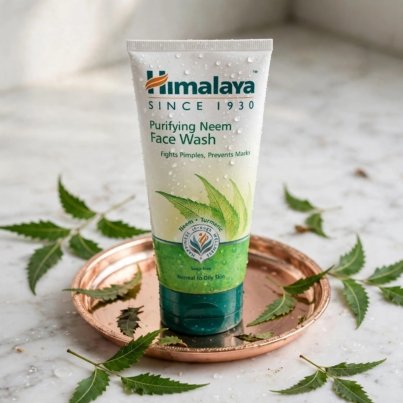
On our shelf: the Himalaya Purifying Neem Face Wash is a 150 ml liquid cleanser made for daily cleansing. A face wash cleans your skin. It isn’t a treatment, so if you have acne or a rash, see a dermatologist.

Do you need a serum in the morning?

No. A serum is an optional extra, and the routine works without it. If you want one, add it after cleansing and before your moisturizer.

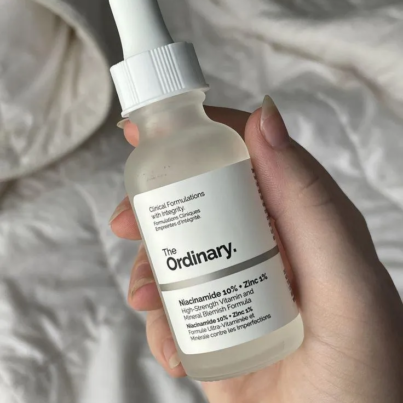
On our shelf: the Niacinamide 10% Serum has a light, watery texture and is listed for skin brightening. Please confirm the strength on the pack. The page suggests starting slowly, every other day for the first week. Brightening claims describe how skin may look, and results come slowly, so judge it over several weeks.

Before you start, patch test it. The AAD advises testing a new product twice a day for seven to 10 days.

How do moisturizer and sunscreen fit in?

Moisturizer comes next, and sunscreen always comes last in your skincare. Even if your skin is oily, the AAD says to moisturize after cleansing, and to look for a moisturizer that contains a broad-spectrum sunscreen with SPF 30 or higher if you want to save a step.

For sunscreen, the AAD advises a broad-spectrum, SPF 30 or higher, water-resistant product. Apply it about 15 minutes before you go out. Our guide on how to choose sunscreen explains the label.

How do you finish with makeup in humid weather?

With light layers. The AAD notes that products labelled “matte” can help reduce shine on oily skin. A face powder is the quickest way to do that.

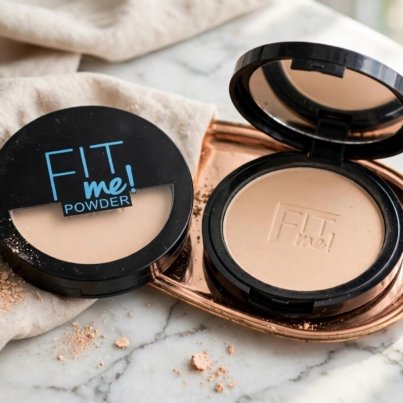
On our shelf: the Matte Face Powder is a natural beige, matte, medium-coverage powder made for oily skin. The page lists 12-hour wear, but wear time depends on your skin, the weather and how you apply it, so treat that as the best case. Press a thin layer on your forehead, nose and chin. If you need a touch-up, blot oil with a tissue first, so powder doesn’t build up on top of oil.

A natural beige won’t match every skin tone. Compare it with your jawline in daylight, and read our guide on how to choose a foundation shade online.

How does Pakistan’s weather change your morning routine?

In sticky months, keep things light: a gentle wash, a light moisturizer and a lighter sunscreen. Our guide to skincare for humid weather explains the 3 pm mirror test. If your skin is shiny, our guide to skincare for oily skin helps too.

In cold, dry months, rinse instead of washing, and use a richer moisturizer. Our winter skincare routine has the details.

Which morning routine mistakes should you avoid?

  • Skipping sunscreen on cloudy days.
  • Adding a serum, a toner and an eye cream all at once.
  • Washing your face again and again to fight shine.
  • Putting makeup on before sunscreen.
  • Starting several new products in the same week.
  • Throwing away a product’s colour or smell changes, then using it anyway. The FDA’s advice on using cosmetics safely is to throw it away.

How do you buy products for your routine online?

Ask for a clear photo of the back label, and check the ingredient list and batch code. On our own product pages, we say when a brand’s authenticity has not been independently verified, so you can decide with the facts. Our guide to identifying original cosmetics in Pakistan has the full checklist, and our skincare ingredient list guide shows how to read the label.

FAQs about the morning skincare routine

How long should a morning skincare routine take?
About five minutes. Cleanse or rinse, add an optional serum, moisturize, apply sunscreen and finish with makeup if you wear it. A short routine you can keep up is better than a long one you skip.

Do you need to wash your face in the morning?
It depends. If you wake up oily or sweaty, cleanse with a gentle face wash. The AAD advises people with oily skin to wash up to twice a day. If your skin feels dry or tight, a rinse with lukewarm water is enough.

What is the right order for a morning skincare routine?
Cleanser, an optional serum, moisturizer, then sunscreen, and makeup last. Go from thinnest to thickest, and finish with sunscreen.

Can you use niacinamide serum in the morning?
Many routines use it in the morning, after cleansing and before moisturizer. Check the directions on the pack, patch test first, start slowly, and always finish with sunscreen.

Can oily skin skip moisturizer in the morning?
No. The AAD says even oily skin should be moisturized after cleansing. Choose a lighter, non-comedogenic texture instead of skipping it.

What should you apply last in the morning?
Sunscreen is the last skin care step. Makeup, such as a face powder, goes on top of it.

Want to build your routine? Browse our skincare collection and face makeup collection, or contact us with any question before you order.

Body wash bottle, lotion and towel on cream silk with rose petals, body care routine in Pakistan

Body Care Routine: A Simple Three-Step Guide for Pakistan

Quick answer: A body care routine needs three steps: wash gently, exfoliate only occasionally, and moisturize while your skin is still damp. Use lukewarm water, keep showers short, and pat your skin dry. Choose fragrance-free products if your skin is dry or sensitive, and patch test anything new.

Your face gets a routine. Your body gets whatever bottle is left on the shelf.

That’s a pity, because your body skin deals with sweat, heat, air conditioning and a lot of hand washing too. A good body care routine doesn’t need ten steps. It needs the right three, in the right order, done gently. If you want the basics for every skin type first, start with our guide to the best skincare products in Pakistan.

What is a good body care routine?

Here is the rule I’d follow. It’s my own, built on the American Academy of Dermatology’s dry skin advice. I call it wash gently, scrub rarely, seal while damp.

StepWhat to doHow often
1. Wash gentlyUse a gentle cleanser and lukewarm waterIn the shower
2. Scrub rarelyExfoliate lightly, only if your skin tolerates itOccasionally, and less is better
3. Seal while dampApply moisturizer right after you pat dryAfter every shower, and after washing hands

Step 1: How should you wash your body?

Gently, and only where you need to. The AAD’s dry skin tips say to use enough cleanser to remove dirt and oil, but not so much that you see a thick lather, and to use it only where you need it, such as your armpits. It also warns that some products, such as deodorant soaps, are too harsh for dry, sensitive skin, and recommends products labelled “fragrance-free”.

Keep your showers short too. HonorHealth suggests limiting showers to ten minutes or less, and the AAD notes that baths and showers can worsen dry skin.

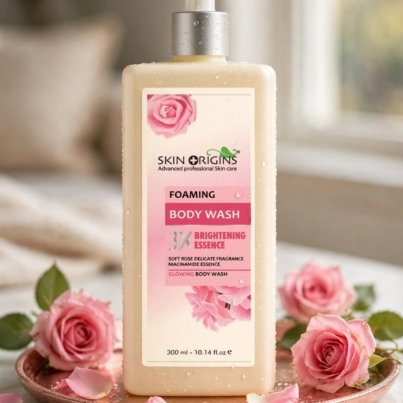
On our shelf: the Skin Origins Rose Glow Foaming Body Wash is a 300 ml foaming liquid with a soft rose aroma, listed with rose and niacinamide. Because it’s scented, it’s worth a patch test if your skin is dry or sensitive. Treat the “glow” as a pleasant shower, not a treatment, because a body wash rinses off quickly.

Step 2: Should you exfoliate your body?

Rarely, and gently. Many beauty pages tell you to scrub first and often. But dermatologists quoted by The Province say your skin naturally exfoliates, and that some exfoliating products and tools can be very irritating. One dermatologist adds that loofahs are too abrasive.

So here’s how I’d do it. These are my own suggestions:

  1. Start with the lowest frequency on the pack, and stop if your skin feels irritated.
  2. Use light circles with your fingertips, with lukewarm water.
  3. Skip broken, sunburnt or irritated skin.
  4. Moisturize straight after.
  5. Wear sunscreen in the daytime.

On our shelf: the Premium Exfoliating Gel is a 100 ml scrubbing gel listed for face and body. The page says what I’d say too: more scrubbing is not better. If you have sensitive skin, acne or eczema, ask a dermatologist first, as the AAD advises against scrubbing your skin hard.

Step 3: How do you moisturize your body properly?

While your skin is still damp. The AAD says to apply moisturizer when your skin is still damp after a shower or bath, after washing your hands, and whenever your skin feels dry. Pat your skin dry with a clean towel first, because rubbing can irritate very dry skin.

For very dry skin, the AAD also suggests a cream or ointment rather than a thin lotion. Our guide to skincare for dry skin explains the difference.

On our shelf: the Jessica Nourishing Hydrating Hand and Body Lotion is a 150 ml smooth beige cream, made for dry skin and listed for all skin types. It comes in Coco, Rose and Aloevera variants. Use it after your shower and after washing your hands, and reapply on dry spots like elbows and feet.

Do you need sunscreen on your body?

On any skin that clothing doesn’t cover. The AAD advises a broad-spectrum, SPF 30 or higher, water-resistant sunscreen. Our guide on how to choose sunscreen explains the label.

How does Pakistan’s weather change your body care routine?

In sticky months, your body can feel clammy, so a lighter lotion and a shorter shower feel better. Our guide to skincare for humid weather has more tips. In cold, dry months, your skin needs more help, and our winter skincare routine shows what to swap.

Air-conditioned rooms and frequent hand washing also dry your skin. That’s why a hand and body lotion in your bag is useful. Reapply it after every wash.

Which body care mistakes should you avoid?

  • Taking long, hot showers.
  • Using a thick lather all over your body.
  • Rubbing yourself dry with a rough towel.
  • Scrubbing hard, or using a loofah on dry skin.
  • Skipping moisturizer because your skin “doesn’t feel dry yet”.
  • Starting several new products at once. Patch test one at a time.

How do you buy body care products online safely?

Ask for what you can’t see. Request a clear photo of the back label, check the ingredient list and batch code, and inspect the parcel before you pay. On our own product pages, we say when a brand’s authenticity has not been independently verified, so you can decide with the facts. Our guide to identifying original cosmetics in Pakistan has the full checklist, and our skincare ingredient list guide shows how to read the label.

FAQs about the body care routine

What is a good body care routine?
Three steps: wash gently with lukewarm water, exfoliate only occasionally, and moisturize while your skin is still damp. Keep showers short, and choose fragrance-free products if your skin is dry or sensitive.

Should you moisturize after every shower?
Yes. The AAD advises applying moisturizer when your skin is still damp after a bath or shower, and again after washing your hands and whenever your skin feels dry.

Do you need a body wash and a lotion?
They do different jobs. A body wash cleans your skin, and a lotion or cream helps it hold moisture. If your skin is dry, don’t skip the moisturizer.

How often should you exfoliate your body?
Rarely, and always follow the directions on the pack. If you’re new to scrubs, start with the lowest frequency, and stop if your skin feels irritated. If you have sensitive skin or a skin condition, ask a dermatologist first.

Is a hand and body lotion the same as a face moisturizer?
Not always. Body skin is usually thicker, and face moisturizers are made for the face. Use a product for the area you buy it for, and patch test a new one first.

When should you see a dermatologist about dry skin?
See one if your skin stays dry, itchy, cracked or painful after trying gentle care, as the AAD advises. Dry skin can sometimes be a sign of a skin condition.

Want a simple start? Browse our body care collection, or contact us with any question before you order.

Cleanser bottle, cotton pads and a bowl of water on cream silk with rose petals, how to remove makeup

How to Remove Makeup Properly: A Pakistan Skincare Guide

Quick answer: How to remove makeup properly: wash your hands, dissolve eye and lip makeup first with a gentle remover, then cleanse your whole face with a mild cleanser. Don’t scrub, and never sleep in makeup. Finish with moisturizer. If you wore sunscreen or long-wear makeup, cleanse twice.

The most skipped step in beauty is the one after the party. You come home tired, the bed looks wonderful, and the makeup stays on.

Removing makeup isn’t complicated. But small mistakes, like rubbing hard, skipping the eyes or sleeping in it, cause most of the trouble. This guide gives you a step-by-step method, a rule for how much cleansing you need, and an easy fix for the nights you forget. If you want the basics for every skin type, start with our guide to the best skincare products in Pakistan.

Why should you remove makeup every night?

Because makeup, sweat, oil and dust build up on your skin during the day. The American Academy of Dermatology warns that even non-comedogenic makeup can cause acne if you sleep in it. So a gentle clean-up before bed matters, whatever brand you wear.

If your skin is prone to breakouts, our guide to skincare for acne-prone skin explains more.

How to remove makeup step by step

  1. Wash your hands. Clean hands keep bacteria off your face.
  2. Remove eye makeup first. Soak a clean cotton pad with a gentle eye makeup remover or micellar water, hold it on your closed eye for a few seconds, then slide it gently away.
  3. Remove lip colour. Use a fresh pad, and press and wipe softly.
  4. Cleanse your face. Use a gentle, non-abrasive cleanser and your fingertips with lukewarm water, as the AAD suggests. Don’t scrub.
  5. Check the edges. Makeup hides at the hairline, jawline, ears and neck.
  6. Rinse, pat dry and moisturize. Apply moisturizer while your skin is still slightly damp.

The AAD’s acne tips say to wash with a gentle, non-abrasive cleanser and avoid scrubbing, even when your skin feels like it needs it. That goes double for the delicate skin around your eyes.

Which makeup remover should you use?

There’s no single winner. Here’s a brand-neutral guide. It’s my own, based on how each type works.

TypeGood forWatch out
Gentle cleanser (water-based)Light makeup and everyday useMay need a remover first for eyes and long-wear products
Micellar waterLight makeup, quick nightsRepeat for stubborn products, and don’t rub hard
Cleansing oil or balmLong-wear and water-resistant makeupRinse it off well, and follow with your cleanser
WipesEmergency nights onlyThey may not remove everything, and some can irritate

Whatever you choose, read the label. If your skin is sensitive, pick fragrance-free, and if it’s acne-prone, look for “non-comedogenic” as the AAD advises. Our guides to skincare for sensitive skin and the skincare ingredient list can help.

How much cleansing do you need? The wear-level rule

Here’s a rule I like. It’s my own, so treat it as a suggestion. The more makeup you wear, the more steps you need.

Wear levelWhat you woreWhat to do
Level 1Sunscreen, light powder or lip colourOne gentle cleanse
Level 2A full face of makeupRemove eyes and lips first, then cleanse
Level 3Long-wear makeup or water-resistant sunscreenRemove eyes and lips, then cleanse twice: a remover first, then your regular cleanser

The AAD doesn’t require a double cleanse. Use it only when the makeup is heavy. For sunscreen, our guide on how to choose sunscreen explains why water-resistant formulas are harder to wash off.

How do you remove eye makeup safely?

Be gentle and be clean. The skin around your eyes is delicate, so soak, press and slide. Never rub hard.

The FDA also gives clear advice on eye makeup. If mascara dries out, throw it away. Don’t add water or saliva to moisten it, because that introduces bacteria. If you ever have an eye infection, talk to your health care provider, stop using all eye-area cosmetics and throw away the ones you were using. You can read all of this in the FDA’s guide to shelf life and expiration dating of cosmetics.

Don’t share eye makeup either. The FDA’s advice on using cosmetics safely says plainly not to share makeup. Our makeup starter kit guide covers more hygiene habits.

What if you slept in your makeup?

It happens. Don’t panic, and don’t scrub to “make up for it”. Here’s what I’d do:

  1. Wash your face gently when you wake up, with your usual mild cleanser.
  2. Remove eye makeup gently with a soaked pad.
  3. Apply moisturizer and sunscreen as usual.
  4. Keep your next night’s routine simple, and don’t start new products.

Keep it rare. If your skin reacts, pause new products and patch test before you restart. If irritation or breakouts keep returning, see a dermatologist.

Does Pakistan’s weather change how you remove makeup?

A little. In hot, humid months, makeup, sweat and sunscreen mix on your skin, and the AAD advises washing after you sweat. Keep your cleanser gentle and your routine light, as our guide to skincare for humid weather explains.

In cold, dry months, a harsh cleanser can leave skin tight. Switch to a milder one and moisturize straight away. Our winter skincare routine has the details.

Which makeup removal mistakes should you avoid?

  • Rubbing hard, especially around the eyes.
  • Skipping the eyes, then cleansing the rest of your face over the mascara.
  • Using wipes every night and nothing else.
  • Forgetting moisturizer after cleansing.
  • Sharing makeup or using the same dirty pad for both eyes.
  • Buying a new remover without checking the label, the batch code or the seller. Our guide to identifying original cosmetics in Pakistan has the full checklist.

FAQs about how to remove makeup

How do you remove makeup properly?
Wash your hands, remove eye and lip makeup first with a gentle remover, then cleanse your face with a mild, non-abrasive cleanser and lukewarm water. Don’t scrub. Rinse, pat dry and moisturize.

Do you need to double cleanse?
Only if you wore heavy, long-wear makeup or water-resistant sunscreen. The AAD doesn’t require it. For light makeup, one gentle cleanse is enough.

Is micellar water enough to remove makeup?
For light makeup, often yes. For heavier makeup, repeat it or follow with a gentle cleanser. Whichever you use, don’t rub hard around the eyes.

Can you use makeup wipes every night?
I’d keep them for emergency nights. Wipes may not remove everything, and some can irritate your skin. Use a proper remover and cleanser most nights.

What happens if you sleep in makeup?
The AAD warns that even non-comedogenic makeup can cause acne if you sleep in it. Wash gently in the morning, moisturize, and keep it rare. If breakouts or irritation keep returning, see a dermatologist.

How do you remove waterproof mascara safely?
Use a remover made for the eye area. Soak a clean pad, hold it on your closed eye for a few seconds so the mascara softens, then slide it away. Don’t rub, and don’t pull your lashes.

Cream jar and serum bottle on cream silk with rose petals, how long skincare lasts

How Long Skincare Lasts: A Simple Guide for Pakistan

Quick answer: How long skincare lasts depends on the product, how you use it and where you keep it. There’s no fixed rule for most cosmetics, but sunscreens usually carry an expiry date and mascara is usually discarded after two to four months. Throw away any product that smells, looks or feels different.

Your moisturizer has no alarm clock. It never beeps when it goes off. It just changes quietly, a little at a time, and you keep using it.

That’s the problem with how long skincare lasts: there’s rarely a clear rule. This guide shows what the official sources say, what they don’t say, and a simple habit that works for any product. If you need help choosing products first, start with our guide to the best skincare products in Pakistan.

Do skincare products expire?

Not always, and not by law everywhere. The US Food and Drug Administration says no U.S. laws or regulations require cosmetics to have specific shelf lives or expiration dates on their labels. Manufacturers are responsible for making sure their products are safe.

Drugs are different. The FDA notes that products such as sunscreens and acne treatments are drugs under US law, and they must carry expiration dates. I couldn’t verify the exact labelling rule in Pakistan, so treat a printed date as the maker’s guide, and use the checks below when there’s no date.

What makes skincare go off?

According to the FDA, products break down for several common reasons:

  • Dipping fingers into a jar adds bacteria and fungi.
  • Preservatives can break down over time, which lets bacteria and fungi grow.
  • Mixtures of water and oil can separate.
  • Moisture, such as in a bathroom, makes it easier for bacteria and fungi to grow.
  • Products can dry out, harden and crack.
  • Heat, sunlight and air can change colour and texture, and cause smells.

How long skincare lasts: what the sources say

ProductWhat the sources sayWhat I’d do
Mascara and eye-area productsThe FDA says eye-area cosmetics tend to have shorter shelf lives, and manufacturers usually recommend discarding mascara two to four months after purchaseWrite the date on the tube and replace it within that window
SunscreenSunscreens must carry expiration dates under US rules, and AAD advice is that an expired product may not protect youFollow the printed date, and replace it sooner if it smells or separates
Creams in jarsNo official number. Fingers add bacteria and fungiUse a clean spatula or clean fingers, and replace it if it changes
Cleansers, serums and the restNo official numberUse the date-it-and-check method below

Many blogs give exact months for every product. I couldn’t find an official source for those numbers, so I’ve left them out.

For sunscreen, our guide on how to choose sunscreen explains the label, and the AAD’s advice on applying sunscreen notes that expired products are one reason people still get burned.

What is the date-it-and-check method?

Here’s a habit I like. It’s my own method, so treat it as a suggestion. It works for every product, even when there’s no expiry date.

  1. Date it. Write the opening date on the product with a marker or a small sticker.
  2. Check it. Every time you use it, run the three-S check below.
  3. Store it. Keep it cool, dry and closed.
  4. Decide. If you see any red flag, stop using it.
The three-S checkWhat to look for
SmellA new sour, sharp or “off” smell
SeparationWater and oil that split into layers and don’t mix back
SurfaceA change in colour, clumps, dark spots or a dry crust

The FDA’s advice on using cosmetics safely is to throw away a product if its colour or smell changes. That applies to a new product as much as an old one.

How should you store skincare in Pakistan’s heat and humidity?

Heat and moisture are the quiet enemies. The FDA advises against leaving cosmetics where they’re exposed to heat, such as in a hot car, because heat can make preservatives break down and let bacteria and fungi grow faster.

  • Keep products in a cool, dry drawer, not on a steamy bathroom shelf.
  • Keep them away from sunny windowsills and hot rooms.
  • Close lids tightly, and wash your hands before you dip into a jar.
  • Don’t add water to a product to make it last longer.

In sticky months, our guide to skincare for humid weather has more tips. And when a parcel arrives in summer, check it before you pay. Our guide to cash on delivery for beauty products explains how.

Why should you ask sellers for the expiry date?

Because you can’t see the date when you shop online. The FDA warns that products sold at flea markets or re-sold over the internet may be past their shelf life, already used, diluted or even counterfeit.

So ask any online seller, including us, for the batch code and the expiry or manufacture date, and for a clear photo of the back label. Our guide to identifying original cosmetics in Pakistan has the full checklist, and our skincare ingredient list guide shows how to read the rest.

What should you do with old skincare?

Throw it away. Don’t “use it up” on your body, and don’t give it to someone else. If you ever get an eye infection, the FDA says to stop using all eye-area cosmetics, throw away the ones you were using at the time and talk to your health care provider.

Before you start a replacement, patch test it first, so one reaction doesn’t send you back to the start. If you’re also checking your makeup, our makeup starter kit guide explains why you shouldn’t buy mascara in bulk.

FAQs about how long skincare lasts

Does skincare expire?
Yes, in practice. Products can break down over time, even if there’s no date on the pack. The FDA says no U.S. rule requires an expiry date on most cosmetics, but sunscreens are drugs and must carry one.

How can you tell if skincare has gone bad?
Use the three-S check: smell, separation and surface. A new sour smell, layers that won’t mix back, a change in colour, clumps or dark spots are all reasons to throw it away.

How long does mascara last?
The FDA says manufacturers usually recommend discarding mascara two to four months after purchase. If it dries out, throw it away. Never add water or saliva to moisten it.

Does sunscreen expire?
Yes. Sunscreens carry an expiration date under US rules, and an expired sunscreen may not protect you properly. Follow the printed date, and replace it sooner if the colour or smell changes.

Can you use skincare after its expiry date?
It’s safer not to. After the date, the preservatives and active ingredients may have broken down. If a product is past its date or looks, smells or feels different, throw it away.

Where should you store skincare in summer?
In a cool, dry drawer, away from sunlight and steam. Avoid hot cars and bathroom shelves, keep the lids closed, and wash your hands before you use jars.

Cleanser, serum, moisturizer and sunscreen lined up on cream silk with rose petals, skincare routine order

Skincare Routine Order: Best Skincare Guide for Pakistan

Quick answer: The skincare routine order is simple: thinnest to thickest, with sunscreen last in the morning. At a minimum, apply a cleanser, then a moisturizer, then sunscreen. Add an optional serum after cleansing. Apply makeup on top of sunscreen, and add only one new product at a time.

Which comes first, the serum or the moisturizer? If you’ve ever stood at the mirror unsure, you’re not alone. Most of us learn skincare from random videos and end up guessing.

Here’s the good news. The skincare routine order is much simpler than the internet makes it look. This guide gives you a clear order for morning and night, a way to decide how many steps you really need, and the mistakes to avoid. If you want the basics for every skin type first, read our guide to the best skincare products in Pakistan.

Why does skincare routine order matter?

The order affects how well each product can do its job. The Cleveland Clinic explains that how you layer skin care products affects which ingredients get absorbed by your skin. Apply them out of order, mix the wrong products or use too many, and your skin can feel the consequences.

But there’s a catch. Order matters less than the number of products. A short routine in the wrong order is still better than a long one that irritates your skin.

What is the right skincare routine order?

The golden rule is thin to thick. Start with the lightest product and finish with the heaviest. The Cleveland Clinic’s dermatologist adds that, at a minimum, you should apply a cleanser, followed by a moisturizer and sunscreen, in that order.

StepMorningEvening
1CleanserRemove makeup and sunscreen, then cleanser
2Serum (optional)Serum or a night active, only if you use one
3MoisturizerMoisturizer
4Sunscreen, always lastNo sunscreen needed
5Makeup, on top of sunscreenNo makeup before bed

Sunscreen is the final skin care step in the morning. The American Academy of Dermatology advises choosing a broad-spectrum, SPF 30 or higher, water-resistant sunscreen. Our guide on how to choose sunscreen explains the label.

How many steps do you really need?

Here’s a method I like. I call it the step budget. It’s my own, so treat it as a suggestion. You give yourself a number of steps, and every extra step has to earn its place.

Step budgetWhat it includesWho it suits
3 stepsCleanser, moisturizer, sunscreenEveryone, and the best place to start
4 stepsThe three above, plus one serumAfter a few weeks of steady basics
5 steps or moreSeveral extrasOnly if a dermatologist advises it

A longer routine isn’t a better one. If you’re not sure where to start, our guide to a simple skincare routine for beginners keeps it to the essentials.

Where does makeup go in the order?

Always last, on top of sunscreen. Makeup is meant to sit over your skin care, so it comes after the sunscreen has settled.

What if your moisturizer or makeup contains SPF? That’s better than no sunscreen at all, but a separate sunscreen over a moisturizer is usually the better choice, and the AAD notes that a moisturizer with SPF 30 or higher can save time. If you’re putting a kit together, our makeup starter kit guide explains what to buy first.

Does the skincare routine order change with your skin type?

The order stays the same. The textures change. Apply moisturizer on slightly damp skin, as the AAD’s skin care basics guide suggests, and pick the right feel for your skin.

Skin typeWhat to adjustRead more
OilyUse light, non-comedogenic texturesSkincare for oily skin
DryUse a cream as your moisturizer stepSkincare for dry skin
CombinationUse two moisturizer texturesSkincare for combination skin
SensitiveSkip the optional stepsSkincare for sensitive skin
Acne-proneKeep every product non-comedogenicSkincare for acne-prone skin

Which routine order mistakes should you avoid?

  • Putting sunscreen before your moisturizer, or skipping it on cloudy days.
  • Skipping the cleanser at night, so makeup and sunscreen stay on your skin.
  • Layering many actives at once. The AAD notes that ingredients such as retinol and glycolic acid can irritate skin, especially sensitive skin.
  • Starting several new products in the same week. Test one at a time, and follow our patch test guide.
  • Applying a heavy cream first and a light serum last. The serum can’t get through.

The AAD also advises testing a new product twice a day for seven to 10 days before using it on your face. You can read the details in its guide to testing skin care products.

How does Pakistan’s weather affect your routine order?

The order never changes, but the number of steps can. In sticky months, fewer, lighter steps feel better, and our guide to skincare for humid weather shows how to do it. In cold, dry months, a richer moisturizer as your last step helps, as the winter skincare routine explains.

One thing never changes: sunscreen stays last in the morning, and the AAD says to reapply it every two hours when you’re outdoor.

How do you buy skincare for your routine online?

Before you order, ask for a clear photo of the back label. Check the ingredient list and the batch code, and look at the product’s texture, since thinner products go on first. Our skincare ingredient list guide shows how to read the label. And our guide to identifying original cosmetics in Pakistan has the full parcel checklist.

FAQs about skincare routine order

What is the correct skincare routine order?

Thinnest to thickest. In the morning: cleanser, an optional serum, moisturizer, then sunscreen, then makeup. At night: remove makeup and sunscreen, then cleanser, an optional serum or night active, then moisturizer.

Does serum go before or after moisturizer?

Before. A serum is usually thinner than a moisturizer, so it goes on right after cleansing. The moisturizer follows, and in the morning, sunscreen comes last.

Does sunscreen go before or after moisturizer?

After. Sunscreen is the final skin care step in the morning, and makeup goes on top of it. A moisturizer with SPF is better than no sunscreen, but a separate sunscreen is usually the better choice.

How many skincare steps do you need?

Three are enough: a cleanser, a moisturizer and a sunscreen. Add one serum only after a few weeks, and patch test it first. More steps raise the chance of irritation.

Do you need sunscreen at night?

No. Sunscreen is for daytime. At night, remove your sunscreen and makeup with your cleanser, then apply your moisturizer.

Can you use the same routine morning and night?

Mostly, yes. Use the same cleanser and moisturizer, but add sunscreen only in the morning. Many people keep the evening routine just as short as the morning one.

Browse our skincare collection at your own pace.