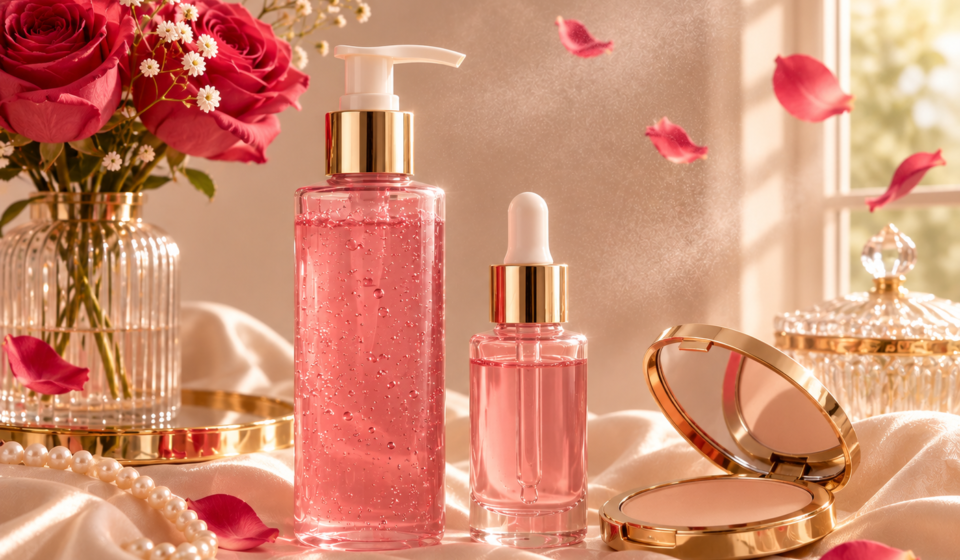
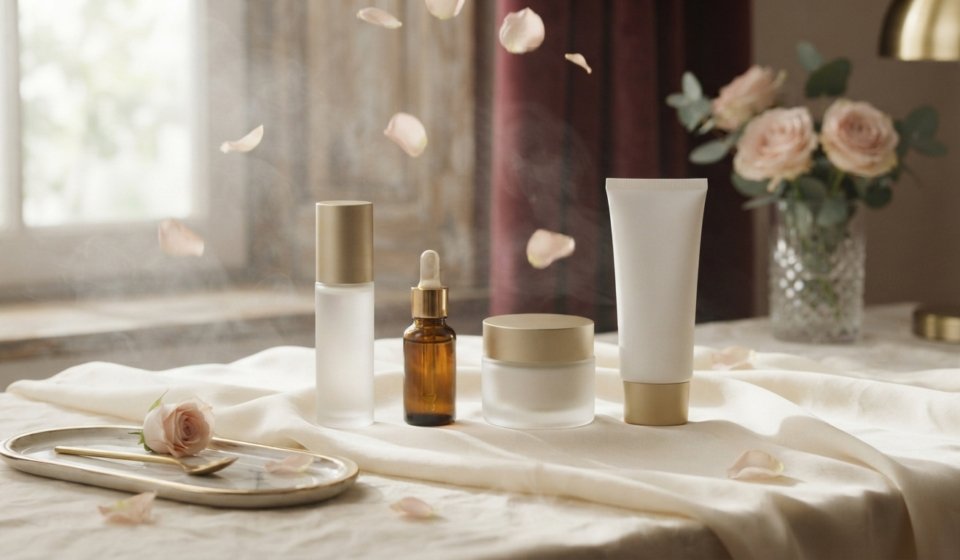
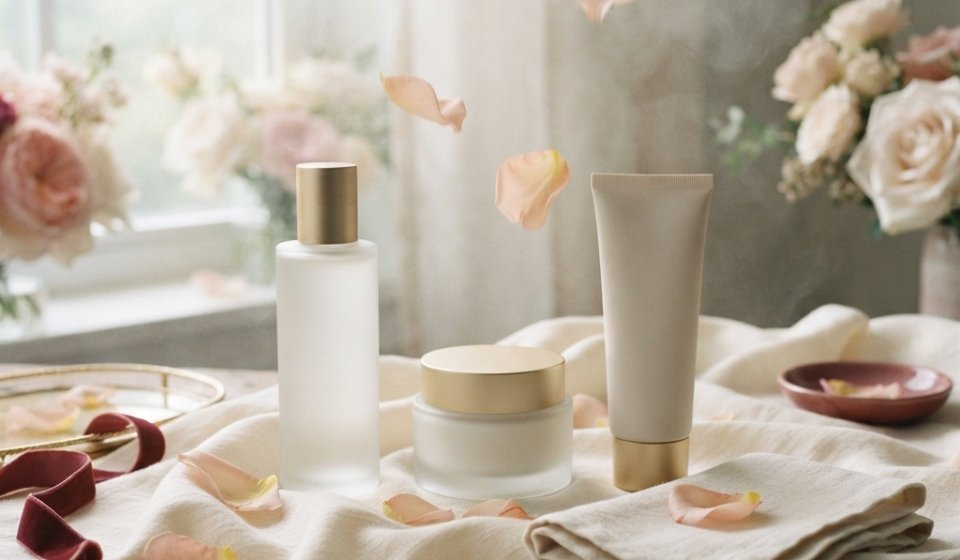
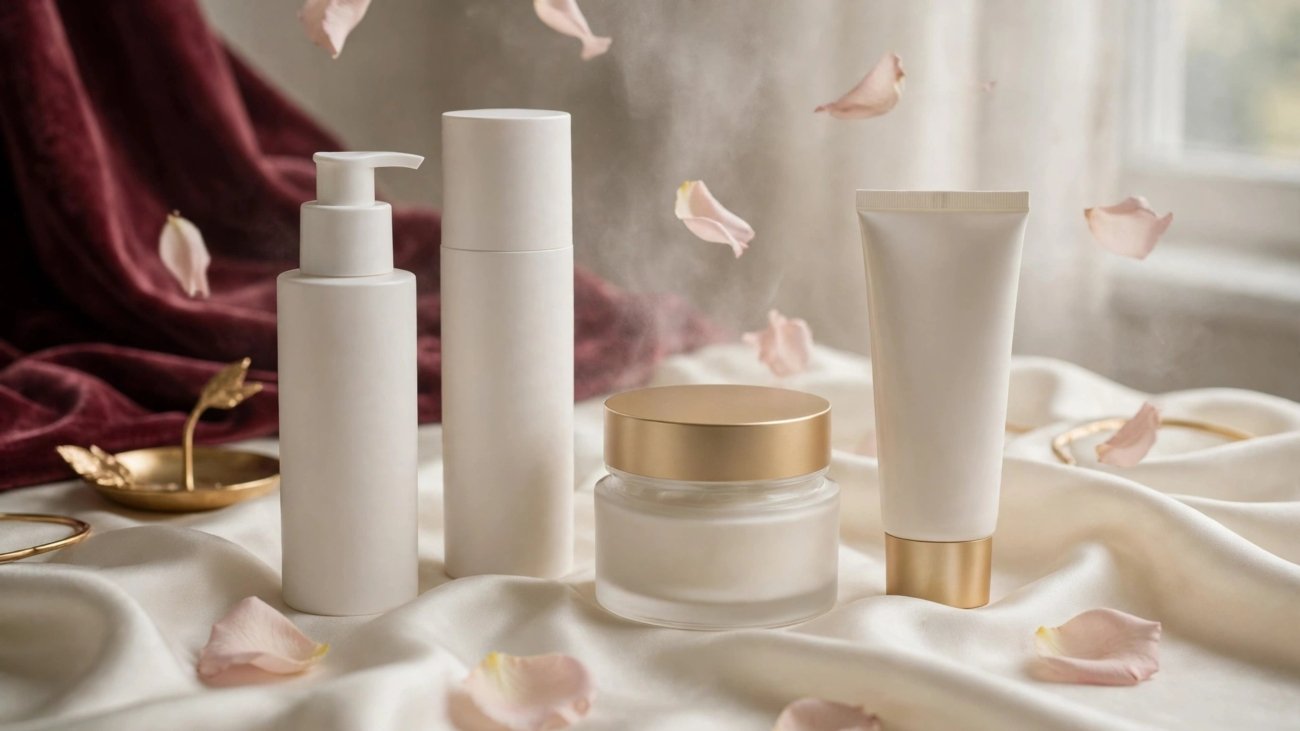
Plain cleanser, moisturizer and sunscreen on cream silk with rose petals, skincare for sensitive skin in Pakistan

Skincare for Sensitive Skin: Best Products in Pakistan

Quick answer: Skincare for sensitive skin should be short and fragrance-free. Choose a gentle cleanser, a plain moisturizer and a sunscreen, and add nothing else for the first few weeks. Test each new product on a small spot twice daily for seven to 10 days. Stop at the first redness, itching or stinging.

The most common advice for sensitive skin is also the most misleading: “look for hypoallergenic.” That word sounds like a promise. It isn’t one.

If you’re searching for the best skincare products in Pakistan, sensitive skin changes the rules. The best product isn’t the most famous one. It’s the one your skin tolerates, and this guide shows you how to find it.

What counts as sensitive skin?

In everyday language, sensitive skin is skin that stings, burns, itches or turns red easily when you use certain products. That’s my plain description, not a medical diagnosis. Only a doctor can tell you whether you have a skin condition.

Conditions like eczema and rosacea can also make skin very sensitive. The American Academy of Dermatology advises people with these conditions to choose fragrance-free products and test them first. If you suspect a condition, see a dermatologist before you buy anything new.

Which skincare labels can you trust?

Labels are where most sensitive skin mistakes start. Here is what the AAD says about the common ones.

LabelWhat to know
Fragrance freeThe label dermatologists suggest if fragrance irritates your skin
UnscentedBe cautious. These products may still contain fragrance-related ingredients
Hypoallergenic, natural or cleanNot a guarantee. Even products with these labels can cause a skin reaction
Non-comedogenicMeans the product is made not to clog pores, and the AAD suggests it for sensitive, rosacea-prone skin

These points come from the AAD’s guidance on how to test skin care products. The AAD also warns that plant-based, botanical ingredients may still contain fragrance-related ingredients. So “natural” and “gentle” on the front tell you very little.

How do you choose skincare for sensitive skin?

Here is the checklist I’d use before adding anything to the cart. I call it the five-point label check. It’s my own method, built from the AAD advice above.

  1. Fragrance free: the label says “fragrance free”, not only “unscented”.
  2. Short list: fewer ingredients mean fewer suspects if your skin reacts.
  3. No strong actives at the start: the AAD notes that ingredients such as retinol and glycolic acid can irritate skin, especially sensitive skin.
  4. Readable label: the seller shows the ingredient list, the batch code and the expiry date.
  5. Patch test passed: you’ve tested it before it goes on your face.

If a product fails even one point, leave it for now. Our guide to the skincare ingredient list shows how to read that label in two minutes.

What should skincare for sensitive skin look like day to day?

Keep it boring. Boring is good for sensitive skin. Three steps are enough.

StepWhat to chooseWhat to avoid
CleanserA gentle, fragrance-free formula, used with lukewarm waterScrubs and strongly scented washes
MoisturizerA plain, fragrance-free moisturizerMany layers of different creams
SunscreenBroad spectrum, SPF 30 or higher, water resistant, with no fragranceSkipping it on cloudy days

The AAD advises a broad-spectrum, SPF 30 or higher, water-resistant sunscreen. For rosacea-prone skin, it also suggests avoiding sunscreens that say “unscented”. For the basics that suit every skin type, see our guide to the best skincare products in Pakistan.

How do you patch test sensitive skin properly?

Many websites say a 24-hour test is enough. The AAD recommends something longer: apply the product to a test spot twice daily for seven to 10 days. Some reactions need days to appear, and a very short test can miss them.

Follow the steps in our guide to patch test skincare, and test one product at a time. If you react but can’t tell which ingredient caused it, talk to a board-certified dermatologist. You may need a medical patch test.

Does Pakistan’s weather change what you should use?

Yes. Sweat, heat and dust can irritate skin that is already reactive, and cold, dry air can make it feel tight. In sticky months, our guide to skincare for humid weather explains how to lighten your routine. In winter, the winter skincare routine shows what to swap.

If your skin is also shiny, read our guide to skincare for oily skin, because harsh washing can irritate sensitive skin too.

How do you buy skincare for sensitive skin online?

When you can’t read the label in your hand, ask for it. Request a clear photo of the back label, check the ingredient list, and look for a batch code. Then inspect the parcel before you pay. Our guide to identifying original cosmetics in Pakistan explains the full checklist.

When should you see a dermatologist?

See one if your skin reacts to several products, if redness, burning or swelling keeps returning, or if you think you may have eczema or rosacea. A dermatologist can recommend gentle products and, if needed, arrange medical patch testing. A new cream can’t replace that.

FAQs about skincare for sensitive skin

What is the best skincare for sensitive skin?

A short routine of a gentle cleanser, a plain moisturizer and a sunscreen, all fragrance-free. Add products one at a time, and test each for seven to 10 days before using it on your face. The best product is the one your skin tolerates.

Is “hypoallergenic” safe for sensitive skin?

Not necessarily. According to a board-certified dermatologist quoted by the AAD, even products labelled “hypoallergenic”, “natural” or “clean” can cause a skin reaction. Test every new product, whatever the label says.

What is the difference between fragrance-free and unscented?

“Fragrance free” means no fragrance ingredients are added. “Unscented” can mean the fragrance has been covered up, so the product may still contain fragrance-related ingredients. If fragrance irritates you, choose fragrance free.

Should sensitive skin avoid retinol and acids?

Be careful. The AAD notes that ingredients such as retinol and glycolic acid can irritate skin, particularly sensitive skin. If you want to try one, patch test it, add it alone, and ask a dermatologist first.

How long should you patch test a product?

The AAD suggests twice a day for seven to 10 days, using your normal amount of product. Stop at the first redness, itching, stinging or swelling, and don’t use that product again.

Can you wear makeup on sensitive skin?

Yes, but test makeup the same way as skincare, because some makeup can irritate sensitive skin. Introduce one product at a time, and take it off gently at night without scrubbing.

Building a gentle routine? Browse our skincare collection and check each product page for details.
Gel moisturizer jar and foaming cleanser on cream silk with rose petals, skincare for oily skin in Pakistan

Skincare for Oily Skin in Pakistan: What to Use

Quick answer: Skincare for oily skin works best when it’s gentle, not harsh. Wash up to twice a day and after sweating with a mild foaming face wash. Always moisturize with a light, non-comedogenic product, and wear sunscreen. Don’t scrub, and use blotting papers for shine. If breakouts continue, see a dermatologist.

If your skin is shiny by noon, your first instinct is to wash it harder. That instinct is usually wrong. Strong soaps, scrubs and five washes a day tend to make oily skin angrier, not calmer.

Good skincare for oily skin is mostly about what you stop doing. This guide shows a simple routine, a two-week reset for when you’ve overdone it, and the small habits that keep shine under control in Pakistan’s weather.

What does oily skin actually need?

It needs balance. The American Academy of Dermatology says oily skin can clog pores and lead to more acne breakouts. However, it also points out that oil helps preserve skin, and people with oily skin tend to have thicker skin and fewer wrinkles.

So the goal isn’t to remove every drop of oil. The goal is to keep shine manageable without stripping your skin, because a stripped, irritated skin can look worse.

What is the best skincare for oily skin?

Keep it short. Three products do most of the work, and the AAD’s advice fits them neatly.

StepWhat to doWhat to avoid
CleanseUse a gentle, foaming face wash up to twice a day and after sweatingStrong washes and scrubbing, even to remove makeup
MoisturizeApply a light moisturizer after cleansingSkipping it because your skin is oily
ProtectWear a broad-spectrum sunscreen with SPF 30 or higherSkipping it on cloudy days
During the dayUse blotting papers for shineTouching your face again and again

The AAD also suggests looking for a moisturizer that contains a broad-spectrum sunscreen with SPF 30 or higher, to save time. HealthDay’s summary of AAD advice adds that you should choose products labelled “oil free” and “noncomedogenic”. The second word simply means the product is made not to clog pores.

For the basics of every skin type, see our guide to the best skincare products in Pakistan.

Why does a harsh face wash make oily skin worse?

Many people believe a strong face wash will dry out the oil. The AAD says the opposite happens. A face wash that is too harsh can irritate your skin and trigger increased oil production.

You may have overdone it if your skin feels tight right after washing, stings when you apply products, or looks shiny and rough at the same time. These are my own warning signs, not an AAD checklist. They’re worth taking seriously.

Try the two-week reset

This is a method I like when oily skin feels irritated. It’s my own approach, so treat it as a suggestion.

  1. For 14 days, use only three products: a gentle foaming wash, a light moisturizer and a morning sunscreen.
  2. Don’t scrub, peel or try any new product.
  3. When shine builds up, use blotting papers instead of washing again.
  4. After 14 days, check your skin. If it feels calmer, add one new product, and patch test it first.

How do you control shine during the day?

Washing isn’t the only answer, and it often isn’t the best one. The AAD suggests a few simple habits:

  • Use blotting papers throughout the day. Press, don’t rub.
  • Don’t touch your face. The AAD notes that it can spread dirt, oil and bacteria from your hands to your face.
  • Wash after you sweat a lot, but don’t scrub.
  • If you wear makeup, products labelled “matte” can help reduce shine.

If you’re building a first makeup kit, our makeup starter kit guide explains why a face powder earns its place.

Does Pakistan’s weather change your routine?

It does. In sticky, humid months, shine usually feels worse and heavy products feel worse still. Our guide to skincare for humid weather explains the 3 pm mirror test and a “swap, don’t add” routine.

In winter, oily skin can feel tighter than usual. You don’t need to switch everything to a heavy cream. A slightly richer moisturizer on dry patches and lukewarm water instead of hot are often enough. Our winter skincare routine covers the details.

Which oily skin claims should you skip?

Be careful with any product that promises to “control oil in a day”, “shrink pores” or “treat” breakouts. Beauty products can’t promise those results. Also steer clear of skin-lightening creams, since the FDA has warned that some contain high levels of mercury. Our guide to identifying original cosmetics in Pakistan explains why.

I’d also leave strong acids and other active products until your basics are steady. That’s my own preference, not a rule. If you want to use one, patch test it, add it alone, and ask a dermatologist if you have breakouts.

When you shop for skincare for oily skin online, ask for a photo of the back label and check the ingredient list before you order.

When should you see a dermatologist?

See a dermatologist if breakouts are painful, keep coming back, leave marks, or don’t improve with a gentle routine. A new cream can’t replace proper medical advice, and it can sometimes make things worse.

FAQs about skincare for oily skin

What is the best skincare for oily skin?

A simple routine: a gentle foaming face wash, a light moisturizer and a broad-spectrum sunscreen with SPF 30 or higher. Add blotting papers for shine, and avoid scrubbing. Introduce any extra product slowly and patch test it first.

Should oily skin use a moisturizer?

Yes. The AAD says that even if you have oily skin, it’s still important to apply moisturizer to keep your skin hydrated. Choose a lighter, oil-free, non-comedogenic product and apply it after cleansing.

How often should you wash oily skin?

Up to twice a day, and after sweating, according to the AAD. Use a mild, foaming face wash, and don’t scrub. Washing more often than that can irritate your skin.

Why does my oily skin feel tight?

It may be irritation from a harsh face wash, scrubbing or too many products. The AAD notes that a harsh wash can irritate skin and increase oil. Try the two-week reset, and see a dermatologist if the tightness or redness continues.

Do blotting papers really help?

The AAD recommends using them throughout the day. They lift surface oil without another wash. Press the paper gently on shiny areas, and don’t rub, so you don’t irritate your skin.

Which makeup suits oily skin?

The AAD says products labelled “matte” can help reduce shine from oily skin. Apply moisturizer and sunscreen first, and wash makeup off at night without scrubbing.

Looking for gentle basics? Browse our skincare collection at your own pace, or message us with any question before you order.

Rich cream jar and dropper bottle on a cream wool shawl with falling rose petals, winter skincare routine for dry skin

Winter Skincare Routine

Quick answer: A good winter skincare routine is simple. Wash with a gentle cleanser and lukewarm water, moisturize right after washing while your skin is damp, protect your lips, and keep wearing sunscreen. Skip hot showers and scented soaps. If dryness, itching or cracking doesn’t improve, see a dermatologist.

Winter skin rarely needs a new product. It usually needs a change of habit. The hot geyser shower, the heater beside your chair and the soap you’ve used for years are often the real problem.

This guide shows what to change, what to keep and what to swap from your humid-weather routine. It’s written for Pakistan’s cold, dry days, not for snowy ones.

What does cold weather do to your skin?

The American Academy of Dermatology explains that dry, cold air can cause dry, itchy skin. Indoor heat adds to it. The AAD notes that a furnace or fireplace creates dry heat and takes moisture out of the air.

Most Pakistani homes don’t have a furnace. However, gas and electric heaters may work in a similar way, so I’d treat them with the same caution. That’s my own reasoning, not an AAD statement.

So three things dry your skin at once: cold air outside, heat inside and very hot water in the bathroom. Your routine can fix the third one right away.

What is the damp-skin rule?

This is the single most useful habit I know for dry skin. Moisturize right after you wash, while your skin is still damp.

The AAD recommends applying moisturizer immediately after washing, because that helps seal in the moisture your skin already has. Yale New Haven Health explains why: bathing itself makes skin drier, so the best time to moisturize is straight after a shower or bath.

In practice, it works like this:

  1. Wash with lukewarm water and a gentle cleanser.
  2. Pat your skin dry with a soft towel. Don’t rub.
  3. Apply moisturizer straight away, before the skin dries completely.

What does a winter skincare routine look like?

You don’t need ten steps. Here is a simple version.

WhenFaceBody, lips and hands
MorningGentle cleanser or a rinse, moisturizer, sunscreenLip balm, moisturize after washing
EveningGentle cleanser to remove sunscreen and makeup, then moisturizerMoisturize hands after washing, body lotion after a shower

Notice the sunscreen. Yale New Haven Health reminds us to wear SPF every day, even in winter. The same AAD advice applies as in summer: broad spectrum, SPF 30 or higher.

Yale also suggests moisturizing twice a day. If your skin still feels tight, add another layer on dry areas, such as hands and heels.

What should you swap from your humid-weather routine?

If you followed a lighter routine in the sticky months, winter is the time to change textures, not to add steps. Our guide to skincare for humid weather explains that routine.

In humid weatherIn winter
Light gel or lotion moisturizerA richer cream, if your skin feels tight
Foaming wash that removes shineA milder, gentler cleanser
Matte products to control shineCreamier finishes, with moisturizer underneath
Washing more often after sweatingWashing only as much as needed

This table is my own guide, not an AAD rule. Your skin decides. If a richer product makes you feel greasy or breaks you out, go back to a lighter one.

Which habits make dry skin worse?

Most winter skin trouble comes from a few habits. These are the ones to watch:

  • Hot showers. The AAD advises warm water instead of hot. HonorHealth suggests limiting showers to ten minutes or less.
  • Harsh soaps. The AAD says antibacterial, deodorant and scented soaps can be too harsh for dry, sensitive skin.
  • Scrubbing. Rough rubbing can irritate skin that is already dry.
  • Licking your lips. It feels better for a moment and dries them more.
  • Sitting right next to a heater. Dry heat pulls moisture from the air around you.
  • Starting many new products at once. If you react, you won’t know which one caused it.

How do you look after lips and hands?

Lips and hands usually show winter dryness first. For lips, wear a simple lip balm. The AAD recommends protecting your lips, and Yale New Haven Health adds that flavoured and scented balms can irritate, so keep it plain.

For hands, apply moisturizer after every wash. Keep a small tube in your bag. It sounds trivial, but small, frequent applications often help more than one big layer.

Before you try a new richer product, patch test it first. Dry skin can be more sensitive than usual.

When should you see a dermatologist?

Winter dryness is common, but it isn’t always simple dryness. See a dermatologist if your skin is very dry, raw, painful, cracked or itchy for a long time, or if home care doesn’t help. Conditions like eczema and psoriasis can flare in cold weather, and they need proper advice, not another cream.

FAQs about the winter skincare routine

What is a good winter skincare routine for dry skin?

Keep it simple: a gentle cleanser, a moisturizer applied right after washing, sunscreen in the morning and a lip balm. Use lukewarm water, not hot. If your skin stays tight, use a richer moisturizer and see a dermatologist if the dryness doesn’t improve.

How often should you moisturize in winter?

Yale New Haven Health suggests twice a day, and the AAD recommends applying moisturizer immediately after washing. Reapply to hands after washing them, and use extra on dry areas.

Should you still wear sunscreen in winter?

Yes. Yale New Haven Health recommends SPF every day, even in winter. The AAD advises a sunscreen that is broad spectrum, SPF 30 or higher and water resistant.

Is hot water bad for dry skin?

It can make dryness worse. The AAD and Yale New Haven Health both suggest warm or lukewarm water instead of hot, and HonorHealth suggests short showers of ten minutes or less.

How can you stop chapped lips in winter?

Wear a simple lip balm, and avoid licking your lips. Yale New Haven Health notes that flavoured and scented balms may irritate, so plain is safer. If your lips stay cracked or sore, see a doctor.

Can you wear makeup on dry winter skin?

Yes, but moisturizer matters more than ever. Apply it first and let it settle before makeup. Creamier finishes tend to feel more comfortable on dry skin than very matte ones. That’s my own tip, not a medical rule.

Glass perfume bottle on cream silk with rose petals and a light mist, perfume for hot weather

Perfume for Hot Weather

Quick answer: The best perfume for hot weather is one you’ve tested on your own skin in real heat. Choose lighter, fresher scents, apply a little less than usual, and reapply instead of spraying more at once. Store the bottle somewhere cool, and patch test before you wear a new perfume.

A perfume that smells lovely in an air-conditioned shop can smell completely different on a July afternoon. That’s the problem with buying fragrance by the shelf, and it’s an even bigger problem when you buy online.

I looked for solid research on how heat changes perfume and didn’t find much. Most advice comes from companies that sell fragrance, and the advice often contradicts itself. So this guide leans on practical testing, not on big claims.

Why does perfume behave differently in hot weather?

Honestly, nobody agrees. Some sellers say heat makes a perfume smell stronger and heavier. Others say it fades faster because sweat and warmth push it off your skin sooner. Both can be true for different perfumes and different people.

What does seem certain is that your skin, your sweat and the air around you all play a part. That’s why a friend’s favourite scent can smell odd on you, and why the same bottle can behave differently in January and in July.

So skip the theory. Test it.

How do you choose perfume for hot weather? Try the heat test

Here’s the method I’d use. It takes one afternoon.

  1. One spray. Put a single spray on your skin. Not on a paper strip, and not on several spots.
  2. Wait 30 minutes. The first few minutes show you the top notes only. Wait before you decide.
  3. Check in real heat. Walk around outside for a bit, or sit in a warm room. Notice the scent after one hour, and again after four.

Ask yourself three questions. Is it still pleasant? Is it too heavy now? Can you barely smell it? If it turns sticky, sharp or heavy in the heat, save it for cooler months. In case it fades completely, try a different style or reapply more often.

If you buy online and can’t test first, treat your first wear as the test. Start with one spray at home, not before an event.

Which scent styles suit hot, humid days?

Many sellers suggest lighter, fresher scents for summer. In my view, that’s a good place to start. Think citrus, green notes, light florals and soft musks. They tend to feel less overwhelming when you’re already warm.

But there is a catch. Rich, sweet or heavy scents aren’t banned. Some people wear them happily on hot evenings. The difference is how much you apply, and where you are. A scent that works in a cool, air-conditioned room can feel loud in a crowded, humid one.

StyleHow it may feel in the heatTry this
Fresh and citrusyLight and easyStart with one spray
Light floral or fruityPleasant and softReapply later in the day
Soft muskClose to the skinA good everyday choice
Heavy, sweet or denseCan feel overwhelmingSave for cooler weather or evenings

This table is my own guide, not a rule. Your skin has the final say.

How should you apply perfume in the heat?

Less is usually more. Here are the habits I’d follow:

  • Start with one spray and add a second only if you need it.
  • Apply to clean, dry skin, such as the neck or the inside of the wrists.
  • Let it dry. Don’t rub your wrists together.
  • Avoid spraying on skin that’s irritated or freshly sunburnt.
  • Reapply later instead of putting on more at once.

Concentration matters too. A lighter formula such as eau de toilette, or a body mist, often feels easier in summer. Our guides to eau de parfum vs eau de toilette and to body mist vs perfume explain the difference.

How should you store perfume in hot weather?

Heat and sunlight are hard on fragrance. Many perfume sellers advise keeping bottles in a cool, dark place, away from windowsills, cars and the bathroom, where steam lingers after showers. I’d follow that advice. It costs nothing.

Parcels need a quick look as well. A bottle that travelled in summer heat can arrive in poor shape. The US Food and Drug Administration advises you to throw away cosmetics if the colour or smell changes. If a perfume looks cloudy, darker or smells off when it arrives, don’t wear it. Take photos and message the seller.

Is perfume safe for sensitive skin?

Some people react to fragrance, so it’s worth being careful. Before you wear a new perfume often, patch test it on a small area of skin.

Reading the label won’t tell you much, though. The FDA explains that fragrance ingredients can be listed simply as “Fragrance”, and that some products labelled “unscented” may still contain fragrance ingredients. If you react, write down the product’s name, so you know what to avoid next time. Our guide to the skincare ingredient list shows how to read labels.

Which mistakes should you avoid?

  • Choosing a perfume from one sniff in an air-conditioned shop.
  • Spraying five times because the first spray seems weak. Your nose gets used to a scent quickly.
  • Storing perfume in a hot bathroom or a car.
  • Wearing a new perfume for the first time at an event.
  • Ignoring a rash or itching because the bottle looks expensive.

FAQs about perfume for hot weather

What is the best perfume for hot weather?

The best one is the one that passes your own heat test. Many sellers recommend lighter, fresher styles such as citrus, green notes and light florals. Test one spray on your skin and check it after one hour and after four.

Is eau de parfum too strong for hot weather?

Not always. Eau de parfum is usually more concentrated, so it can feel stronger, but you can use less. Try one spray and wait. If it feels heavy, a lighter concentration or a body mist may suit hot days better.

Where should you spray perfume in summer?

Many people spray the neck or the inside of the wrists, on clean, dry skin. Use one spray first, and let it dry without rubbing. If you spray clothes, test a hidden spot first, because some perfumes can stain fabric.

Why does my perfume smell different in hot weather?

Your skin, sweat, the air and the perfume itself all play a part, and sellers disagree on exactly how. Some perfumes feel stronger in heat and others fade sooner. That’s why testing on your own skin is better than trusting a description.

How should you store perfume in summer?

Keep it in a cool, dark place, away from direct sun, hot cars and steamy bathrooms. Throw it away if the colour or smell changes, as the FDA advises for cosmetics.

Can perfume cause skin reactions?

Yes, some people react to fragrance ingredients. Patch test a new perfume on a small area first, and stop using it if you notice redness, itching or stinging. If a reaction is strong or spreads, see a doctor.

Lip colour, mascara, compact powder and blush on cream silk with rose petals, makeup starter kit for beginners

Makeup Starter Kit

Quick answer: A makeup starter kit needs only five items: a lip colour, mascara, a face powder, a blush and a concealer. Buy the forgiving ones first, add shade-sensitive base products last, and skip big palettes. Test each product on a small patch of skin before using it on your face.

Most beginner makeup kits fail for one reason. They’re bought as a set, not as a plan. Twenty products arrive, three get used, and the rest slowly expire in a drawer.

This guide takes the opposite approach. You’ll buy five things, in three rounds, in the order that carries the least risk when you shop on your phone.

What belongs in a makeup starter kit?

Think in functions, not trends. A beginner needs colour for the lips, definition for the eyes, a little colour on the cheeks, something to calm shine, and something to even out skin if you want it. That’s five items.

ItemWhy it earns a placeWhat to check before buying
Lip colourThe quickest finish for the least skillChoose a shade close to your natural lip colour first
MascaraOne coat opens up the eyesCheck the seal and batch or date details on the pack
Face powderReduces shine, which helps in sticky weatherChoose a translucent shade or one very close to your skin
BlushAdds colour to the faceA soft shade is easier to blend than a bold one
ConcealerEvens out dark spots or shadowsThe most shade-sensitive item, so buy it last

Notice what’s missing. There’s no foundation, no palette and no primer. You can add them later. Plenty of people never need them.

Which makeup is safest to buy online?

Here’s a framework I’d use. I call it the shade-risk ladder. It ranks makeup by how badly a wrong shade can ruin your purchase when you can’t swatch it first.

RiskItemsWhy
LowLip colour, mascara, soft blushA slightly different shade still looks fine
MediumFace powderA translucent or near-skin shade is forgiving
HighConcealer, foundationA mismatch shows at once, especially at the jaw

This ranking is my own reasoning, not a published rule. It does explain why I’d start at the bottom of the ladder and climb slowly. When you’re ready for the top rung, our guide to choosing a foundation shade online walks you through undertone and daylight testing.

What is the three-round buying plan?

Don’t buy everything at once. Buy in rounds, and let your own habits decide what comes next.

  1. Round 1: a lip colour and a mascara. Use them for two or three weeks.
  2. Round 2: a face powder and a blush, once you know what you actually wear.
  3. Round 3: a concealer, only after you’ve read a shade guide and found your undertone.

This plan has a second benefit. Because your skin sees one or two new products at a time, you’ll know exactly which one caused a problem if your skin reacts. Our guide to how to patch test skincare also works for makeup that stays on your face for hours.

What should you skip at the start?

Skipping saves more money than any discount. For a first kit, I’d leave out these:

  • Big palettes with many shades. You’ll use two and ignore the rest.
  • “20-piece” sets, because you can’t see the shade or ingredients of each item.
  • Three lipsticks in nearly the same colour.
  • A second mascara, since eye products have a short life.
  • Anything with no ingredient list, batch code or clear label. Our guide to identifying original cosmetics in Pakistan explains why.

How do you keep your makeup clean and safe?

A starter kit is only useful if it stays safe to use. Three habits cover most of it.

Replace mascara on time. The US Food and Drug Administration notes that some industry experts suggest replacing mascara about three months after purchase. Write the date on the tube with a marker.

Don’t share. The FDA’s advice on using cosmetics safely is to never share makeup, and to throw away a product if its colour or smell changes.

Keep it cool. Heat is hard on makeup. Avoid sunny windowsills, parked cars and hot shelves, especially in Pakistan’s summer.

Does Pakistan’s weather change what you should buy?

Yes, a little. In hot, humid weather, a lighter finish usually feels better than a heavy one. The American Academy of Dermatology says that for oily skin, matte products can help reduce shine. That’s one reason a face powder earns its place in a starter kit.

Cash on delivery helps too, because you see the parcel before you pay. Check the seal, look at the label, and message the seller the same day if something looks wrong. Our guide to the best beauty products to buy online has a full parcel checklist.

FAQs about the makeup starter kit

What should be in a makeup starter kit?

Five items are enough: a lip colour, mascara, a face powder, a blush and a concealer. Start with the lip colour and mascara, because a wrong shade matters least there. Add the shade-sensitive products later.

Do beginners need foundation?

No. Many people do well with a lip colour, mascara, powder and blush. If you decide you want foundation, buy it last, and follow a shade guide first. A mismatch is easy to see.

What makeup should you buy first?

A lip colour and a mascara. They’re simple to use, and a slightly wrong shade still looks fine. Use them for a few weeks before you add more.

How can you avoid the wrong shade when buying makeup online?

Start with low-risk items. For base products, work out your undertone, ask the seller for a daylight swatch photo, and test the product along your jawline when it arrives. Never choose from a product photo alone.

How long does makeup last?

It depends on the product. Eye products wear out fastest, and some industry experts suggest replacing mascara about three months after purchase. For any product, throw it away if the colour or smell changes.

Is it better to buy a makeup kit or individual products?

Individual products are usually the better choice for a beginner. You can pick each shade yourself and you avoid paying for items you won’t use. A ready-made kit can work if you can see every shade and the ingredient list first.

Soft makeup brushes and a sponge on cream silk beside a bowl of water and a rose petal, clean makeup brushes guide

Clean Makeup Brushes

Quick answer: Clean makeup brushes every 7 to 10 days, as the American Academy of Dermatology advises. Wash sponges more often, because they hold wet product. Brushes used near your eyes need extra care. Never share any of them, and let everything dry fully before you put it away.

When did you last wash your makeup brush? If you had to think about it, that’s your answer.

Most of us treat brushes and sponges as permanent. We wash our faces twice a day, then dab foundation on with a tool that hasn’t seen water in a month. This guide gives you a simple schedule, a few honest warnings, and a drying plan that works in Pakistan’s humid weather.

How often should you clean makeup brushes?

The American Academy of Dermatology recommends washing brushes every 7 to 10 days. Its reason is simple: brushes collect product residue, dirt and oil. Dermatologists also warn that they can hold bacteria, which may lead to breakouts, rashes or, in some cases, infections.

That’s the official number. However, you’ll find other numbers online, and they don’t all agree. The Cleveland Clinic says brushes used with dry products, such as powder and blush, can be washed about once a month, while eye-area brushes need regular washing because eyes are more prone to infection. Geisinger agrees on 7 to 10 days for brushes, but says tools that apply liquid makeup, like sponges, need spot cleaning after every use.

So who’s right? All of them, in a way. The advice changes with what the tool touches.

What is the wet-or-dry rule?

Here’s the rule I’d use. The wetter the product, and the closer to your eyes, the more often you wash.

ToolHow often I’d wash itWhy
Foundation, concealer and cream brushesEvery 7 daysWet formulas hold more residue
Powder and blush brushesEvery 7 to 10 daysThis is the AAD range. Once a month is the least some clinics accept
Eye brushesEvery 7 days, or sooner if product builds upEyes are more prone to infection
Makeup spongesSpot clean after each use, deep wash weeklyThey soak up liquid product

The 7 to 10 days and the “after every use” advice come from the sources above. The weekly deep wash for sponges is my own habit, not a rule.

How do you know your tools are overdue?

You don’t have to count days. Look for these signs:

  • Visible colour or hard clumps in the bristles or sponge.
  • Bristles that feel stiff, sticky or oily.
  • A smell, even a faint one.
  • A sponge that is stained, crumbling or torn.

If you notice any of these, wash the tool today. If a sponge still smells or crumbles after washing, replace it.

How do you wash makeup brushes step by step?

You don’t need a special product. A little mild soap or shampoo and lukewarm water do the job. These steps follow the AAD’s advice:

  1. Rinse the tips of the brush under lukewarm running water to remove leftover makeup.
  2. Add a drop of mild soap or shampoo and gently work it through the bristles with your fingers.
  3. Rinse until the water runs clear. Keep the water on the bristles, not the base of the handle.
  4. Squeeze out extra moisture with a clean, dry paper towel.
  5. Lay the brush flat on a towel, with the tips hanging off the edge of the counter.

Don’t dry brushes standing upright in a cup. The AAD explains that water runs down the brush and can loosen the glue that holds the head to the handle.

For sponges, the steps are similar. Wet the sponge, work soap into it until the colour comes out, rinse well and squeeze it gently. Then let it dry somewhere with air around it.

How do you dry them in Pakistan’s humid weather?

This is where most guides stop, and where humid weather causes trouble. Damp bristles take longer to dry when the air is sticky. A brush zipped into a pouch while still damp is a poor idea, because it stays wet in a closed space.

Here’s what I’d do. Wash brushes in the morning, so they have the whole day to dry. Lay them flat near an open window or under a fan, away from direct sun. Don’t put anything back in a bag until the bristles feel completely dry. Then store the tools in a clean, dry, covered holder, so dust doesn’t settle on them.

If humid weather also affects your skin, our guide to skincare for humid weather covers what to change in your routine.

Which mistakes should you avoid?

Cleaning tools is easy. These are the common slip-ups:

  • Sharing brushes or sponges with friends or family. The AAD says never to share makeup brushes, and the US Food and Drug Administration also advises not sharing makeup.
  • Drying brushes upright.
  • Washing only the tips of eye brushes and never the rest.
  • Using a damp tool on skin that’s already irritated.
  • Keeping a sponge that smells, even after washing.

If you suspect your makeup or your tools are causing breakouts or irritation, see a dermatologist. Also, patch test any new product before you blame the brush.

FAQs about cleaning makeup brushes

How often should you clean makeup brushes?

The American Academy of Dermatology recommends every 7 to 10 days. Brushes used with wet products, or near your eyes, deserve the shorter end of that range. Dry powder brushes can sometimes stretch longer, but regular washing is the safer habit.

How often should you wash makeup sponges?

Sponges soak up liquid product, so they need more attention than brushes. Geisinger advises spot cleaning after every use. I’d also give them a deep wash once a week. Replace a sponge that smells or crumbles even after washing.

Do you need to wash brushes every day?

Not for most brushes. The AAD advice is 7 to 10 days. Sponges are the exception, because they absorb wet product and hold moisture.

What should you use to wash makeup brushes?

Lukewarm water and a little mild soap or shampoo work well. Rinse until the water runs clear, and keep the water away from the base of the handle.

How should you dry makeup brushes?

Squeeze out extra moisture with a clean paper towel, then lay the brush flat with its tips hanging off the edge of a counter. Don’t dry it upright in a container. In humid weather, give it plenty of time and don’t store it until it feels dry.

Can dirty makeup brushes cause breakouts or infections?

According to the AAD, dirty brushes can collect bacteria, which may contribute to breakouts, rashes and, in some cases, infections. If you notice irritation that keeps returning, see a dermatologist.

Magnifying glass beside a skincare bottle and cream jar on cream silk, how to read a skincare ingredient list

Skincare Ingredient List

Quick answer: Read a skincare ingredient list from the top. Ingredients usually appear from most to least, so the first five show what the product mostly is. Anything near the end is a small amount. Check for fragrance and for anything your skin has reacted to, then patch test before using it.

The front of a bottle sells. The back tells. That tiny block of small print is the only part of the packaging that has to stay honest, and most of us never turn the bottle around.

You don’t need a chemistry degree to use it. You need about two minutes and a method. This guide gives you one, and it also explains what the list can’t tell you.

Why should you read the skincare ingredient list at all?

Three reasons. First, if your skin has reacted to something before, the list is the only way to avoid it. Second, it lets you compare two products that look alike on the shelf. Third, a missing or unreadable list is a warning sign in itself.

In the United States, cosmetics sold to consumers must list their ingredients, generally in descending order of predominance, according to the US Food and Drug Administration. Pakistani labelling rules may differ, and I couldn’t verify a specific local rule. So treat the order as a helpful guide, not as proof.

How do you read a skincare ingredient list in three steps?

Here is the method I’d use. I call it the three-line scan. It takes under two minutes.

StepWhat to doWhat it tells you
1. BaseRead the first five ingredientsWhat the product mostly is, such as a water-based gel or an oil-based balm
2. BoundaryLook for the point where the list may lose its strict orderEverything after it is usually a small amount
3. FlagsScan for fragrance and for anything that has irritated you beforeWhether it’s safe to even try

Step 1: the base. Water usually comes first, often written as “aqua”. That means the product is mostly water-based. A lotion, a gel and a serum often look alike here, so the first five names tell you more than the label’s marketing words.

Step 2: the boundary. There is a catch with the “most to least” rule. Under US rules, ingredients at 1 percent or less can be listed in any order. So the second half of a long list isn’t strictly ranked. It simply tells you those ingredients are present in small amounts.

If a product is named after one ingredient, look for it high on the list. If it sits near the end, the name may be doing more work than the ingredient. That doesn’t make the product bad, but it’s worth knowing.

Step 3: the flags. This is the personal step. Look for fragrance and for any ingredient your skin has reacted to. Keep your own short list in your phone notes. It’s more useful than any “good and bad ingredients” chart, because skin differs from person to person.

What do common names on the list actually mean?

Many ingredient names look alarming or fancy. Most are ordinary. Here are a few you’ll meet often.

The label saysIt usually means
Aqua or WaterPlain water, usually the base of the product
Parfum or FragranceA scent mix, which can be listed as one word
TocopherolA form of vitamin E
GlycerinA common ingredient that helps skin hold moisture

One name deserves a closer look. The FDA explains that fragrance ingredients can be listed simply as “Fragrance”, and that even some products labelled “unscented” may contain fragrance ingredients. So “fragrance” on a list tells you scent is present, but not what it’s made of.

That doesn’t mean fragrance is automatically harmful. It means that if your skin is sensitive, it’s a name to notice.

What can a skincare ingredient list not tell you?

This is the part most guides skip. A list is useful, but it has limits.

  • It doesn’t give exact percentages, so you can’t tell how much of a “hero” ingredient is inside.
  • It doesn’t tell you the quality of each ingredient.
  • It doesn’t prove the product is genuine. A copy can print a perfect list, which is why our guide to spotting original cosmetics in Pakistan uses four checks, not one.
  • It doesn’t tell you whether the product suits your skin.
  • It doesn’t prove any claim on the front of the pack.

So use the list to rule things out and compare products. Don’t use it to promise yourself a result.

How do you check the list before ordering online?

When you shop on your phone, you can’t turn the bottle around. So ask for it. Before you order, check these things:

  1. Ask for a clear photo of the back label, not only the front.
  2. Check that a full ingredient list exists and is readable.
  3. Check that the product name and type match the list. A “serum” with a body-lotion list is a problem.
  4. Look for a batch code and an expiry or manufacture date.
  5. If the seller can’t or won’t show the list, skip the product.

When the parcel arrives, compare the real label with the photo you were sent. Then patch test the product before it goes on your face. A good list doesn’t replace that step.

Which ingredient list mistakes should you avoid?

Reading labels is easy to overdo. These are the mistakes I’d skip:

  • Judging a product by one scary-sounding name. Many chemical names describe very ordinary things.
  • Assuming “natural” means safe, or that a short list is always better. A short list is easier to trace if you react, but length alone proves nothing.
  • Ignoring fragrance when your skin is sensitive.
  • Chasing a long “avoid” list from the internet instead of your own trigger list.
  • Reading the list carefully and then skipping the patch test.

FAQs about the skincare ingredient list

Is the first ingredient the one there’s most of?

Usually, yes. In the United States, ingredients are generally listed in descending order of predominance, so the first one is present in the greatest amount. Local rules can differ, so use the order as a clue, not as a guarantee.

What is the 1% rule on an ingredient list?

Under US rules, ingredients present at 1 percent or less can be listed in any order. That means the end of a long list isn’t strictly ranked. It simply tells you those ingredients are present in small amounts.

Does “fragrance” on an ingredient list mean a product is unsafe?

Not automatically. It means the product contains a scent mix, and the FDA allows that mix to be listed as one word. People with sensitive skin may prefer to avoid it. Also remember that “unscented” products can still contain fragrance ingredients.

Is a shorter ingredient list better?

Not always. A short list is easier to check and easier to trace if your skin reacts. However, a long list isn’t bad by itself. What matters is whether anything on it has bothered your skin before.

Can an ingredient list tell me if a product is original?

No. A printed list can be copied. Check the seller, the packaging, the batch details and the product itself as well. Our guide to identifying original cosmetics shows how to combine those checks.

What should I do if I don’t understand a name on the list?

Look up the name in a trusted source before you decide, and don’t judge a product by one unfamiliar word. If you have a skin condition or repeated breakouts, ask a doctor or dermatologist. And always patch test a new product first.

Light gel moisturizer jar and bottle on cream silk with dewy rose petals, skincare for humid weather

Skincare for Humid Weather

Quick answer: Skincare for humid weather works best when it’s lighter, not bigger. Cleanse gently after sweating, use a light moisturizer, wear a broad-spectrum sunscreen with SPF 30 or higher, and skip scrubbing. Swap heavy products for lighter ones instead of adding steps, and test one change at a time.

It’s 3 pm in the middle of July. Your forehead shines, your cheeks feel oddly tight, and your sunscreen has slid somewhere near your chin. So you reach for a third product. Don’t. Humid weather rarely asks for more. It asks for lighter, simpler routines, used a little more carefully.

How humid does it get in Pakistan, and why does it matter?

“Humid” isn’t a vague word here. On 2 July 2026, Lahore sat at 75% humidity, and the Pakistan Meteorological Department said a 35°C afternoon could feel like about 40°C, as reported by Aaj News. Gujranwala recorded 607 mm of rain across July 2026, according to the PMD’s monsoon report as covered by ProPakistani.

Hot, sticky air changes how your skin behaves. You sweat more, products slide, and sunscreen mixes with oil and dust. Your basic skin type usually stays the same, though. Oily skin stays oily, and dry skin stays dry. What changes is how comfortable each one feels by mid-afternoon.

What does your skin need? Try the 3 pm mirror test

Here is a simple decision rule. Wash your face in the morning, apply only your usual moisturizer and sunscreen, and then leave your face alone. At 3 pm, look at it in daylight.

What you see at 3 pmLikely skin typeWhat to change
Shiny all over, no tightnessOilyFoaming wash, light moisturizer, matte makeup
Shiny forehead and nose, tight cheeksCombinationSame light moisturizer everywhere, no heavy layers on the T-zone
Not shiny, tight or flakyDryKeep moisturizing, avoid strong washes
Comfortable, slight shineNormalKeep your routine, just lighten the textures

The American Academy of Dermatology describes these types in plain terms: oily skin is shiny and greasy, dry skin is flaky, itchy or rough, and combination skin is dry in some areas and oily in others. You can read more in its skin care basics guide.

One test isn’t a diagnosis. Repeat it on two or three normal days. And if you have stubborn breakouts, see a dermatologist instead of guessing.

[INSERT: one real thing you noticed in the humid months, for example what customers asked about, or a change you made in your own routine.]

What should you swap in your humid-weather routine?

My rule is simple: swap, don’t add. Every time a product goes in, another one comes out.

Instead ofTryWhy
A thick, heavy creamA lighter lotion or gel labelled “non-comedogenic” or “won’t clog pores”The AAD suggests these labels
A strong, drying face washA gentle foaming washStrong washes can irritate oily skin
Skipping moisturizerA light moisturizer on damp skinEven oily skin needs it, and damp skin holds water better
Moisturizer and sunscreen separatelyA moisturizer with SPF 30 or higherThe AAD lists dual-function products as a time-saver
Heavy base makeupProducts labelled “matte”The AAD says matte products can reduce shine

Washing deserves a few more words. The AAD advice for oily skin is to cleanse up to twice daily and after sweating, and to resist scrubbing, even to remove makeup. More washing doesn’t mean cleaner skin. It usually means angrier skin.

Sunscreen stays in the routine, even on cloudy, sticky days. The AAD advises broad-spectrum, SPF 30 or higher and water resistant. Since you’ll be sweating, the water-resistant part matters.

Which mistakes make humid-weather skin worse?

Most problems come from doing too much. These are the ones I’d avoid:

  • Washing your face five times a day to “fight” the shine.
  • Scrubbing hard, because oily skin feels like it needs it.
  • Skipping moisturizer, then wondering why your skin feels tight.
  • Layering four or five products on a hot day.
  • Starting three new products in the same week.
  • Wearing a heavy base when a matte, lighter one would do.

The last two are easy to fix. Add one new product at a time, and patch test it first. Then you’ll know exactly which product your skin likes.

How should you store skincare in humid weather?

Heat and moisture are hard on products. Keep lids tightly closed, keep jars out of direct sun, and don’t leave them on a steamy bathroom shelf. The US Food and Drug Administration advises you to throw away cosmetics if the colour or smell changes. That applies to a product you’ve had for months and to one that just arrived.

Parcels need a quick check too. A box that travelled in monsoon heat can arrive damaged. Our guide to cash on delivery for beauty products explains what to look at before you accept one.

FAQs about skincare for humid weather

Should you skip moisturizer in humid weather?

No. The AAD says even people with oily skin should moisturize after cleansing. Choose a lighter lotion or gel, and apply it on slightly damp skin. If you dislike an extra step, a moisturizer with SPF 30 or higher covers two jobs.

How often should you wash your face in humid weather?

The AAD suggests washing up to twice a day and after sweating. Use a gentle foaming wash and don’t scrub. Washing more often can irritate your skin and make it look worse, not better.

Which sunscreen is best for humid weather?

Pick one that is broad spectrum, SPF 30 or higher and water resistant, as the AAD advises. Look for labels like “non-comedogenic” or “won’t clog pores” if your skin is shiny. A lighter texture usually feels more comfortable in sticky weather.

Do you need an exfoliant in humid weather?

Not necessarily. A gentle wash, a light moisturizer and sunscreen cover the basics. If you want to try an exfoliating product, patch test it first and add it alone. If you have persistent breakouts, ask a dermatologist before adding strong products.

Can humid weather cause breakouts?

Oily skin can clog pores and lead to more breakouts, according to the AAD. Sweat, sunscreen and makeup sitting on the skin can add to the problem. Wash after sweating, don’t scrub, and see a dermatologist if breakouts keep returning.

Do you need a different routine for humid weather and winter?

Usually, yes. Humid months call for lighter textures, while dry weather often needs a richer moisturizer. Repeat the 3 pm mirror test when the season changes, and adjust one product at a time.

Foundation bottle and soft sponge on cream silk with falling rose petals, how to choose foundation shade online

Choose Foundation Shade Online: A Pakistan Guide

Quick answer: To choose foundation shade online, work out your undertone (warm, cool or neutral) and depth first. Then match them to the shade names, ask the seller for a daylight swatch photo if they have one, and test the product along your jawline in daylight when it arrives. Never choose from a product photo alone.

Learning to choose foundation shade online saves you money and frustration. A wrong shade is a quick way to waste a bottle. The good news is that a few simple checks improve your odds a lot.

This guide uses plain steps you can do at home. It also covers a method I like, the reference-shade method, and explains how Pakistan’s heat and seasons can change the way a shade looks.

Why is it hard to choose foundation shade online?

In a shop, you swatch a shade, step outside and look at it in daylight. Online, you can’t do any of that before you pay. Three things get in the way.

  • Screens: your phone may show a shade lighter, darker or pinker than the real product.
  • Lighting: product photos are usually taken in studio light, not in your room.
  • Names: there is no universal shade chart, so one brand’s “Beige” is another brand’s “Sand”.

So the goal isn’t a perfect guess. The goal is to narrow your choice, then test properly when the parcel arrives.

How do you find your undertone at home?

Undertone is the subtle colour under the surface of your skin. It stays the same, even when your tan changes. Most guides group it as warm, cool or neutral.

Here is a simple home check. Stand near a window in daylight and look at the veins on the inside of your wrist. Greenish veins often point to a warm undertone. Bluish or purple veins often point to a cool one. If you can’t tell, you may be neutral.

However, this check isn’t perfect. Lighting, a tan and natural redness can all fool you. Treat it as a starting point, not a verdict.

For depth, which means how light or dark you are, look at your jawline and neck. Don’t use your hands or a sun-tanned cheek. Those can be a different colour from the rest of your face.

What is the reference-shade method?

This is the method I’d use. If you already own a foundation, concealer or compact powder that matched you well, that product is your reference. Write down its brand and its shade name.

Then open the shade chart of the new foundation. Pick the closest depth and the same undertone. If you have no reference product, use the undertone check above and choose the middle of your depth range.

That’s how I choose foundation shade online: by comparing against something real instead of guessing from a screen. It also helps the seller. A message like “I wear this shade in another brand and I’m warm-toned” is much easier to answer than “I’m medium”. You can contact us with that kind of detail before you order.

How do you read foundation shade names?

Many ranges use numbers for depth and letters for undertone. For example, W often means warm, C means cool and N means neutral. However, this isn’t a universal rule. Each brand sets its own system, so read the brand’s chart before you trust a letter.

Also read the words on the product page, such as “light”, “medium” or “golden”. If a page shows only photos and no shade details, I’d skip it. On our face makeup pages, check the shade and finish details before you order.

How should you test a foundation when it arrives?

When you choose foundation shade online, the real test happens at home. Do it properly, and you’ll know within twenty minutes.

  1. Check the product first. The US Food and Drug Administration advises you to throw away cosmetics if the colour or smell changes.
  2. Wash your hands and use clean, dry skin.
  3. Go near a window or step outside. Bathroom light often distorts colour.
  4. Apply a short stripe along your jawline and blend it down toward your neck.
  5. Wait 15 to 20 minutes. Some formulas look different once they dry.
  6. Look again in daylight. The right shade seems to disappear into your skin and neck.

Foundation stays on your skin for hours, so it’s also worth reading our guide on how to patch test skincare and makeup before you wear a new product on your whole face.

Does Pakistan’s weather change your foundation shade?

It can. Your skin colour isn’t fixed through the year. A summer tan can make last winter’s shade look pale, so match your skin as it is now, not as it looked in an old wedding photo.

Heat and humidity matter too. Even if you choose foundation shade online carefully, a hot day can make a formula look shinier or different after a few hours. So wear it on a normal day before you wear it to an event. Then check the colour again at the end of the day.

Keep your foundation away from direct sun and hot shelves as well. Heat can change makeup before you even finish the bottle.

What mistakes lead to the wrong foundation shade?

Most people who choose foundation shade online make the same few mistakes. Here are the common ones:

  • Matching the shade on your hand instead of your jawline and neck.
  • Choosing from a model’s photo, which shows the lighting, not your skin.
  • Ignoring undertone and thinking only about light versus dark.
  • Going a shade lighter on purpose to look fairer. In my opinion, that usually leaves a visible line at the jaw. Match your skin, then let lighting and powder do the rest.
  • Sharing makeup or letting others dip into your bottle. The FDA’s advice is simply do not share makeup.

If you also want a lip colour that suits your skin, our guide to how to choose a lipstick shade works the same way.

FAQs about how to choose foundation shade online

How do I choose foundation shade online if I’ve never worn foundation?

Start with your undertone and depth, checked near a window in daylight. Then begin with a more forgiving product, such as a compact powder or a light tinted product, before a full-coverage foundation. Test it along your jawline when it arrives.

Should I pick a lighter or darker shade if I’m unsure?

Pick the shade that matches your neck and jawline in daylight. If you’re stuck between two, choose the one that looks closer to your neck. Avoid going lighter on purpose, because that usually leaves a visible line.

Is the vein test for undertone accurate?

It’s a useful starting point, but it isn’t perfect. Lighting, a tan and redness in the skin can change what you see. Use it together with the reference-shade method, and confirm with a jawline test in daylight.

How do I know if a foundation oxidises?

Some foundations change colour as they dry or mix with skin oils. Wait 15 to 20 minutes after applying a stripe. If it has turned darker or more orange, it probably isn’t the right shade or formula for you.

Can I return a foundation if the shade is wrong?

Return rules differ from shop to shop, and opened makeup is often treated differently from unopened items. Read the seller’s return policy before you order. If the shade is clearly wrong, message the seller as soon as the parcel arrives, with photos.

Does my foundation shade change during the year?

For many people, yes. A summer tan can darken your skin, and the shade you used in winter may look too light. Your undertone stays the same, but your depth can shift, so recheck your match each season.