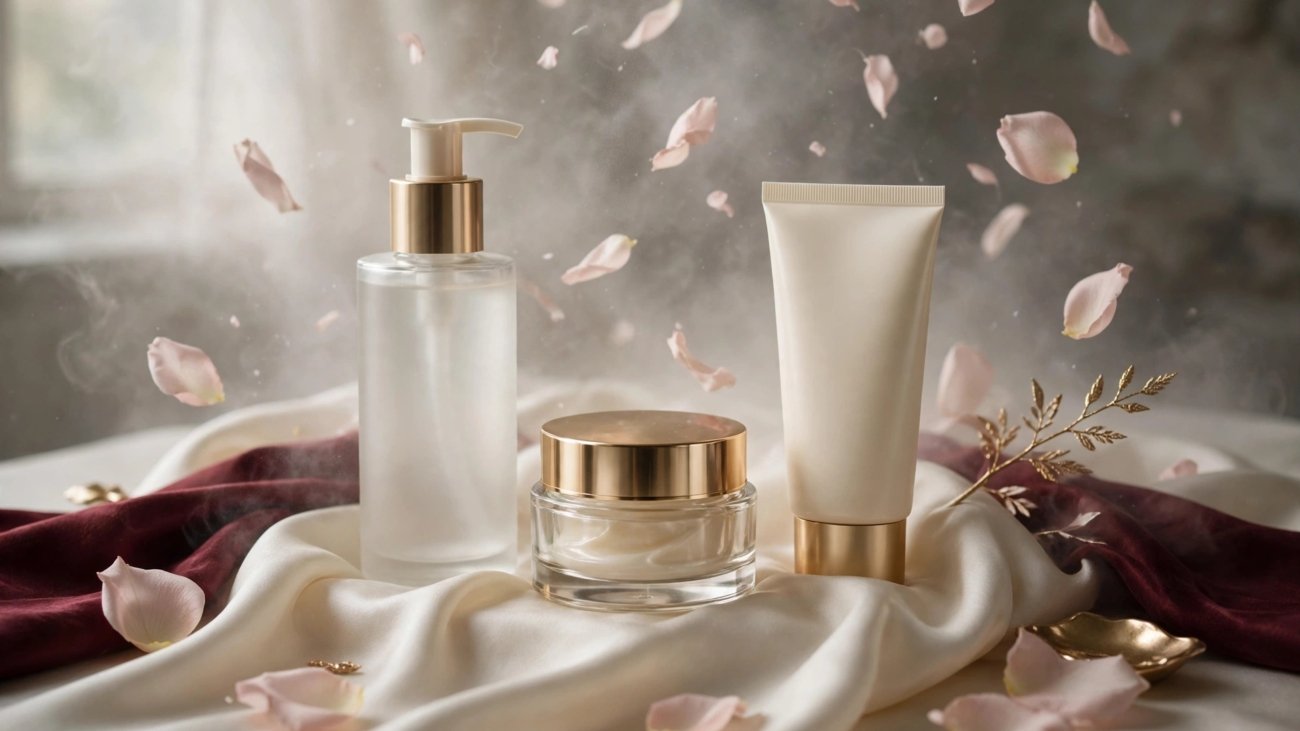
Cleanser, moisturizer and sunscreen on cream silk with rose petals, best skincare products in Pakistan beginner guide

Best Skincare Products in Pakistan: A Beginner Guide

Quick answer: The best skincare products in Pakistan are the ones that suit your skin type and that you’ll use every day. Start with three basics: a gentle cleanser, a moisturizer and a sunscreen with SPF 30 or higher. Add one extra only if you need it. Patch test each new product.

“Best” is the most overused word in beauty. Every shop uses it, and almost none of them can tell you best for whom. So this guide won’t rank brands. It will show you how to pick the best skincare products for your own skin, and how to avoid the ones that cause trouble.

I’ll keep it practical. You’ll get three simple filters, a short list of basics, a skin type chooser and a safe way to shop online in Pakistan.

What do the best skincare products have in common?

Whatever the product, the good ones pass the same three filters. I call it the Fit, Safe, Real check.

  • Fit: it suits your skin type and the season. A rich cream that works in winter can feel heavy in humid weather.
  • Safe: it passes a patch test, and nothing on the label has bothered your skin before.
  • Real: it comes from a seller who can show you the label, the batch details and where the stock comes from.

A product that fails one filter isn’t “best”, however famous it is. Price and packaging don’t count as filters.

What are the best skincare products to start with?

You need fewer products than you think. Three basics do most of the work, and one optional extra comes later.

ProductIts jobWhat to check before buying
CleanserRemoves sweat, oil, dirt and sunscreenA gentle formula, with an ingredient list you can read
MoisturizerHelps skin hold waterLighter lotion or gel for shiny skin, richer cream for dry skin
SunscreenProtects against sun damageBroad spectrum, SPF 30 or higher, water resistant
One extra (optional)One goal, such as a serumAdd it only after two or three weeks of steady basics, and patch test it

The American Academy of Dermatology advises choosing a sunscreen that is broad spectrum, SPF 30 or higher and water resistant. It also says that even people with oily skin should moisturize, and that products labelled “non-comedogenic” or “won’t clog pores” are a good fit for shiny skin, as its skin care basics guide explains.

If you want a fuller routine, our guide to a simple skincare routine for beginners shows how to build one step by step.

How do you choose skincare products for your skin type?

The AAD describes oily skin as shiny and greasy, dry skin as flaky, itchy or rough, and combination skin as dry in some areas and oily in others. Use those descriptions as your starting point.

Skin typeWhat you noticeWhat to look for
OilyShiny and greasyA gentle foaming wash and a light “non-comedogenic” moisturizer
DryTight, flaky, itchy or roughA gentle cleanser and a richer moisturizer, applied on damp skin
CombinationOily in some areas, dry in othersA light moisturizer everywhere, with extra on dry patches
SensitiveStings or turns red easilyFew products, fragrance-free if scent bothers you, and a patch test for each
NormalComfortable, neither shiny nor tightKeep it simple and change textures with the season

The “sensitive” row is my own plain description, not an AAD definition. Not sure which row fits you? Try the 3 pm mirror test in our guide to skincare for humid weather. And when the weather turns dry, the winter skincare routine explains what to swap.

In what order should you apply skincare products?

Keep the order simple. Thin products go first and heavier ones go last.

  1. Morning: cleanser, then your optional extra, then moisturizer, then sunscreen.
  2. Evening: cleanser (remove sunscreen and makeup), then your optional extra, then moisturizer.

The AAD notes that a moisturizer with SPF can save time, since it covers two jobs in one step. Whatever you add, add one product at a time. If your skin reacts, you’ll know the culprit.

Which skincare claims should you ignore?

Some claims should make you pause. Be careful with promises of “instant whitening”, “miracle results” or a cure for a skin problem. Beauty products can’t promise any of those. Labels such as “dermatologist-tested” also don’t prove a product will suit your skin.

Skin-lightening creams deserve extra caution. The US Food and Drug Administration warns that some skin-lightening products have been found to contain high levels of mercury. In Pakistan, the Standards and Quality Control Authority suspended the licences of six cream brands in April 2026 after test reports raised safety concerns. If a cream promises to make you fairer, I’d skip it. Our guide to identifying original cosmetics in Pakistan explains more.

How do you buy skincare online in Pakistan safely?

When you shop for the best skincare products online, you can’t turn the bottle around in your hand. So ask for what you can’t see. Here’s my checklist:

  1. Ask for a clear photo of the back label, not only the front.
  2. Check that a full ingredient list exists and matches the product. Our skincare ingredient list guide shows how to read it.
  3. Look for a batch code and an expiry or manufacture date.
  4. Ask the seller where the stock comes from. A vague answer is a red flag.
  5. Inspect the parcel before you pay. Our guide to cash on delivery for beauty products explains how.
  6. Patch test the product before it goes on your face.

Which skincare mistakes should you avoid?

  • Buying a full routine at once. You can’t tell which product your skin dislikes.
  • Copying someone else’s routine. Their skin isn’t yours.
  • Skipping sunscreen on cloudy or winter days.
  • Choosing by price alone. A high price doesn’t prove a product is safe, and a low one isn’t automatically bad.
  • Ignoring a sting or redness because the product is “working”.

If you have stubborn breakouts, rashes or any skin problem that keeps returning, see a dermatologist. A new product won’t replace proper medical advice.

FAQs about the best skincare products

What are the best skincare products for beginners in Pakistan?

Start with a gentle cleanser, a moisturizer and a sunscreen with broad-spectrum protection and SPF 30 or higher. Choose textures that suit your skin type and the season. Add one extra product only after a few weeks, and patch test it first.

Which skincare products do you need every day?

A cleanser, a moisturizer and, in the morning, a sunscreen. Everything else is optional. A simple routine you can keep up is better than a long one you abandon.

Are expensive skincare products better?

Not necessarily. A high price doesn’t guarantee a product is genuine, safe or right for your skin. Check the label, the ingredient list, the seller and the patch test result instead.

Do you need a serum in your routine?

Not at the start. A serum is an optional extra for one specific goal. Begin with the three basics, wait a few weeks, and then add one serum if you still want it. Patch test it first.

Which sunscreen should you choose?

The American Academy of Dermatology advises a sunscreen that is broad spectrum, SPF 30 or higher and water resistant. If your skin is shiny, look for a lighter texture labelled “non-comedogenic”. Wear it every morning, including on cloudy days.

How can you buy skincare online safely in Pakistan?

Ask for a photo of the back label, check the ingredient list and batch details, and ask where the stock comes from. Inspect the parcel before you pay, and patch test the product before using it on your face. If anything looks or smells wrong, stop and message the seller with photos.

Ready to build your routine slowly? Browse our skincare collection at your own pace, or message us with any question before you order.

Woman checking packaging to identify original cosmetics in Pakistan

How to Identify Original Cosmetics in Pakistan

Quick answer: To identify original cosmetics in Pakistan, check the seller, the packaging, the batch and expiry details, the ingredient list and the price together. No single clue proves a product is genuine. If the seller can’t explain where the product comes from, don’t buy it.

Everyone wants original cosmetics, yet almost nobody can prove a product is genuine from a photo. That’s the uncomfortable truth. A good fake can look perfect, and a real product can arrive damaged by heat.

So this guide doesn’t pretend to give you a magic test. Instead, it shows a simple way to lower your risk, and it explains why “original” and “safe” are not always the same thing.

What counts as original cosmetics?

People use the word “original” for three different things. First, a product made by the brand it claims to be. Second, a product that has been stored and shipped properly. Third, a product that is safe to use on your skin.

A fake fails the first test. A genuine bottle left in a hot van can fail the second. And some unregistered local creams are not “fakes” of anything, yet they can still fail the third. Keep all three in mind while you shop.

How do you identify original cosmetics before you buy?

To spot original cosmetics, I use a four-part check: source, pack, product and price. Each part catches problems the others miss. Don’t rely on just one.

CheckWhat to look atRed flag
SourceCan the seller say where the stock comes from?Vague answers, no proof, pressure to order fast
PackIngredient list, maker’s name and address, batch code, expiry or manufacture date, clean printingMissing details, spelling mistakes, different batch codes on box and bottle
ProductColour, smell, texture and sealStrong chemical smell, separated or watery texture, colour unlike the brand’s own photos
PriceCompare with several sellersFar below every other seller

How do you check the seller first?

Start here, because it costs nothing. Before you add anything to the cart, ask a few direct questions. A trustworthy seller won’t mind.

  • Can they tell you where the stock comes from? Resellers should be able to name their source.
  • Do they show photos of the actual item, not only brand stock images?
  • Will they share the batch code and expiry date if you ask?
  • Is there a clear contact method and a written return policy?
  • Do they answer calmly, or do they push you to pay quickly?

Cash on delivery helps here, because you don’t pay until the parcel arrives. Our guide to cash on delivery for beauty products explains how to use that advantage.

What should you check on the packaging?

A real product pack normally carries a full set of details. Look for these:

  • An ingredient list you can actually read.
  • The maker’s name and address.
  • A batch code and an expiry or manufacture date.
  • Sharp, even printing, with no smudges or spelling mistakes.
  • The same batch code on the outer box and the bottle or tube.
  • An intact seal, a firm cap and no glue marks.

One warning about barcodes. Scanning one on your phone can catch an obvious mismatch, such as a different product name. However, fakers copy barcodes easily, so a correct scan proves very little.

What should you check on the product itself?

Open the product in daylight. Look at the colour, smell it once and feel the texture. Compare it with the brand’s own photos and descriptions if you can find them.

The US Food and Drug Administration is clear on one point: throw away cosmetics if the colour or smell changes. That rule applies even to a genuine product.

Here is the catch, though. The product check can reject a bad item, but it can’t confirm a good one. A well-made fake may look and smell right. That’s why you need the seller and pack checks as well, and why you should patch test any new skincare product before using it on your face.

Is a low price a sign of fake cosmetics?

A price far below every other seller is a warning. Real products have real costs, and an extreme gap needs an explanation. Ask for one.

But a high price proves nothing either. Expensive fakes exist. When you judge original cosmetics, use price only as one clue, alongside the other three checks.

Which products carry the highest risk?

When you shop for original cosmetics, not all products need the same caution. In my view, the riskiest are skin-lightening or whitening creams, and anything that goes near your eyes or mouth.

The FDA warns that some skin-lightening products have been found to contain high levels of mercury, which can be absorbed through the skin with repeated use. Pakistan has seen this problem too. In April 2026, the Pakistan Standards and Quality Control Authority suspended the licences of six cream brands after test reports raised concerns about mercury, arsenic and microbiological contamination.

A pretty box and a famous-sounding name don’t make a cream safe. If a cream promises to make your skin fairer, I’d skip it.

What is changing in Pakistan’s cosmetics rules?

On 9 September 2026, a Senate committee approved the Pakistan General Cosmetics Bill, 2026. As reported, it proposes penalties of up to seven years in prison and a fine of up to Rs10 million for making or importing substandard cosmetics.

This is a bill, not yet a law. It still has further parliamentary steps to pass, and I found no report of it becoming law as of 15 October 2026. Even when rules change, enforcement takes time. So your own checks still matter.

What should you do if you think you received a fake?

  1. Stop using the product.
  2. Keep the box, bottle and parcel, and take clear photos of the batch code, label and any damage.
  3. Message the seller the same day, with the photos.
  4. If you had a skin reaction, see a doctor. Show them the packaging and ingredient list.

You’ll find more on first orders and parcel checks in our guide to the best beauty products to buy online.

FAQs about original cosmetics in Pakistan

How can I identify original cosmetics bought online?

Check four things together: the seller, the packaging, the product and the price. Ask where the stock comes from, look for a batch code, expiry date and ingredient list, and inspect the colour and smell. No single check is proof, so use all four.

Does a barcode prove a cosmetic product is original?

No. A scan can reveal an obvious mismatch, but fake products often copy genuine barcodes. Treat the barcode as a small clue and rely on the seller, the batch details and the product’s condition as well.

Is an expensive cosmetic product always original?

No. A high price doesn’t guarantee a genuine or safe product. A very low price is a warning sign, but price should only ever be one clue among several.

Are skin whitening creams safe to buy?

The FDA advises against using over-the-counter skin-lightening products, because some contain high levels of mercury. In Pakistan, regulators have also taken action against creams that failed safety tests. If you’re unsure about a cream, don’t use it, and ask a dermatologist for advice.

Can a genuine product still be unsafe to use?

Yes. Heat, age and poor storage can spoil a real product. Throw it away if the colour or smell changes, and stop using any product that irritates your skin or eyes.

What should I do if my skin reacts to a cosmetic product?

Stop using it, rinse the area with water and keep the packaging. If the reaction is strong or spreads, see a doctor. Tell the seller as well, and include photos of the label and batch code.

Have a question about a product before you order? Contact us, or browse our skincare and makeup categories and check each product page for details.