
 Cart is empty
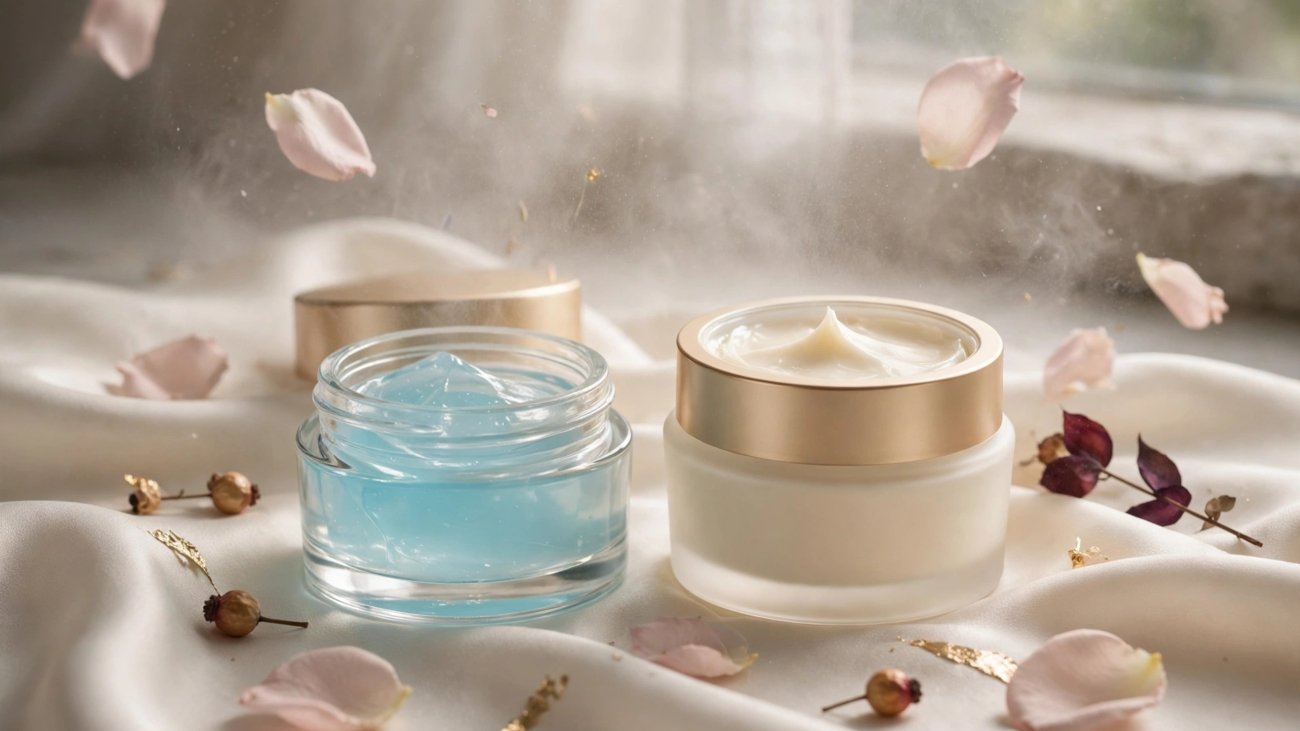
Quick answer: Skincare for combination skin needs one gentle routine with two textures. Use a mild foaming cleanser, a light non-comedogenic moisturizer on the oily T-zone, a richer cream on dry cheeks, and a daily sunscreen. Don’t skip moisturizer anywhere, and don’t scrub. Patch test every new product.
Combination skin makes every product feel like a compromise. The cleanser that tames your nose leaves your cheeks tight. The cream that saves your cheeks makes your forehead shine by noon.
Good skincare for combination skin isn’t two separate routines. It’s one routine with smarter textures. This guide shows how, and it also helps if you’re searching for the best skincare products in Pakistan for a skin type that refuses to behave.
What is combination skin, and how do you know you have it?
The American Academy of Dermatology describes combination skin as dry in some areas and oily in others. Most people notice the oil on the forehead, nose and chin, called the T-zone, and the dryness on the cheeks.
Here is a quick zone check. It’s my own method. Wash your face, apply nothing, and wait about three hours. Then look in daylight. If your T-zone is shiny and your cheeks feel tight or flaky, you probably have combination skin. Our 3 pm mirror test in the guide to skincare for humid weather works the same way.
How do you choose skincare for combination skin?
Skincare for combination skin uses the same three basics as everyone: a cleanser, a moisturizer and a sunscreen. The difference is in the moisturizer, where you pick two textures instead of one.
| Step | T-zone (forehead, nose, chin) | Cheeks |
|---|---|---|
| Cleanser | A gentle, foaming wash | The same wash, used gently |
| Moisturizer | A light, non-comedogenic gel or lotion | A richer cream |
| Sunscreen | Broad spectrum, SPF 30 or higher, in a light texture | The same sunscreen |
This table is my own synthesis. It applies the AAD’s oily skin advice to the T-zone and its dry skin advice to the cheeks. For the T-zone, the AAD suggests a gentle foaming face wash and a moisturizer even if your skin is oily. For dry cheeks, it recommends a cream or ointment rather than a lotion.
What is the two-texture rule?
Some websites tell you to leave the T-zone without moisturizer. I’d be careful with that. The AAD says even oily skin should be moisturized after cleansing, so a light layer on the T-zone is safer than none.
Here is the rule I’d follow. It’s my own, so treat it as a suggestion.
- Apply the light moisturizer all over your face, in a thin layer.
- At night, add a small amount of richer cream only on the dry cheeks.
- If your cheeks still feel tight after two weeks, use the cream on them in the morning as well.
- If your T-zone gets shinier, go back to the light moisturizer alone and use blotting papers.
If you want just one product, choose a light moisturizer for the whole face and add the cream on dry spots at night.
Why do oily skin products dry out your cheeks?
Because they’re made for the whole face of an oily skin type. The AAD warns that a face wash that is too harsh can irritate skin and trigger more oil. On combination skin, that means dry, tight cheeks and a T-zone that still shines.
If that sounds familiar, try the two-week reset in our guide to skincare for oily skin. And if your cheeks are the bigger problem, read our guide to skincare for dry skin.
How does combination skin change with the seasons in Pakistan?
| Season | What often changes | What to adjust |
|---|---|---|
| Hot, humid months | The T-zone gets shinier | Lighten both moisturizers and use blotting papers |
| Cold, dry months | Cheeks feel tighter | Use the richer cream on cheeks morning and night |
| Air-conditioned rooms | Cheeks may dry out, because the AAD notes dry skin is common after long periods in air conditioning | Reapply moisturizer to dry spots |
This table is my own guide. For the cold months, our winter skincare routine has more detail.
Which makeup suits combination skin?
Treat your face in zones here too. The AAD says products labelled “matte” can help reduce shine, so a matte face powder on the T-zone makes sense. On dry cheeks, a creamier product tends to feel more comfortable. That second tip is my own.
Moisturizer and sunscreen go on first, always. If you’re building a kit, our makeup starter kit guide explains which items to buy first.
What should you avoid with combination skin?
- A heavy cream all over your face.
- Strong washes and scrubs, even on the oily zone.
- Starting several strong active products at once. The AAD notes that ingredients such as retinol and glycolic acid can irritate skin, especially sensitive skin.
- Promises of “oil control” or a “perfect balance” in days.
- Testing three new products in the same week. Patch test one at a time.
How do you buy skincare for combination skin online?
Ask for a clear photo of the back label, and check the ingredient list and batch code before you order. Then inspect the parcel before you pay. Our skincare ingredient list guide shows how to read the label, and our guide to the best skincare products in Pakistan covers the basics for every skin type.
FAQs about skincare for combination skin
What is the best skincare for combination skin?
One gentle routine with two moisturizer textures: a light, non-comedogenic one for the T-zone and a richer cream for dry cheeks. Add a mild foaming cleanser and a daily sunscreen, and test each new product before use.
Should combination skin use moisturizer on the T-zone?
Yes, in a thin, light layer. The AAD says people with oily skin should still moisturize after cleansing, and a light, non-comedogenic product suits shiny areas.
Can you use two different moisturizers on your face?
You can. Use a light moisturizer on the T-zone and a richer cream on the dry cheeks. If that feels like too much, use the light moisturizer everywhere and add the cream only on dry spots at night.
Why are my cheeks dry but my T-zone oily?
That pattern is typical of combination skin. A harsh face wash can also make it worse, since the AAD notes it can irritate skin and trigger more oil. Switch to a gentle wash and use the right texture on each zone.
Does combination skin need sunscreen?
Yes, every day. The AAD advises a sunscreen that is broad spectrum, SPF 30 or higher and water resistant. Choose a light texture that feels comfortable on your T-zone.
When should you see a dermatologist about combination skin?
See one if you aren’t sure of your skin type, if breakouts keep returning, or if dry patches stay red, itchy or flaky after a few weeks of gentle care. A dermatologist can give you personal advice that no article can.
Need help choosing textures? Browse our skincare collection and check each product page for details.