
 Cart is empty
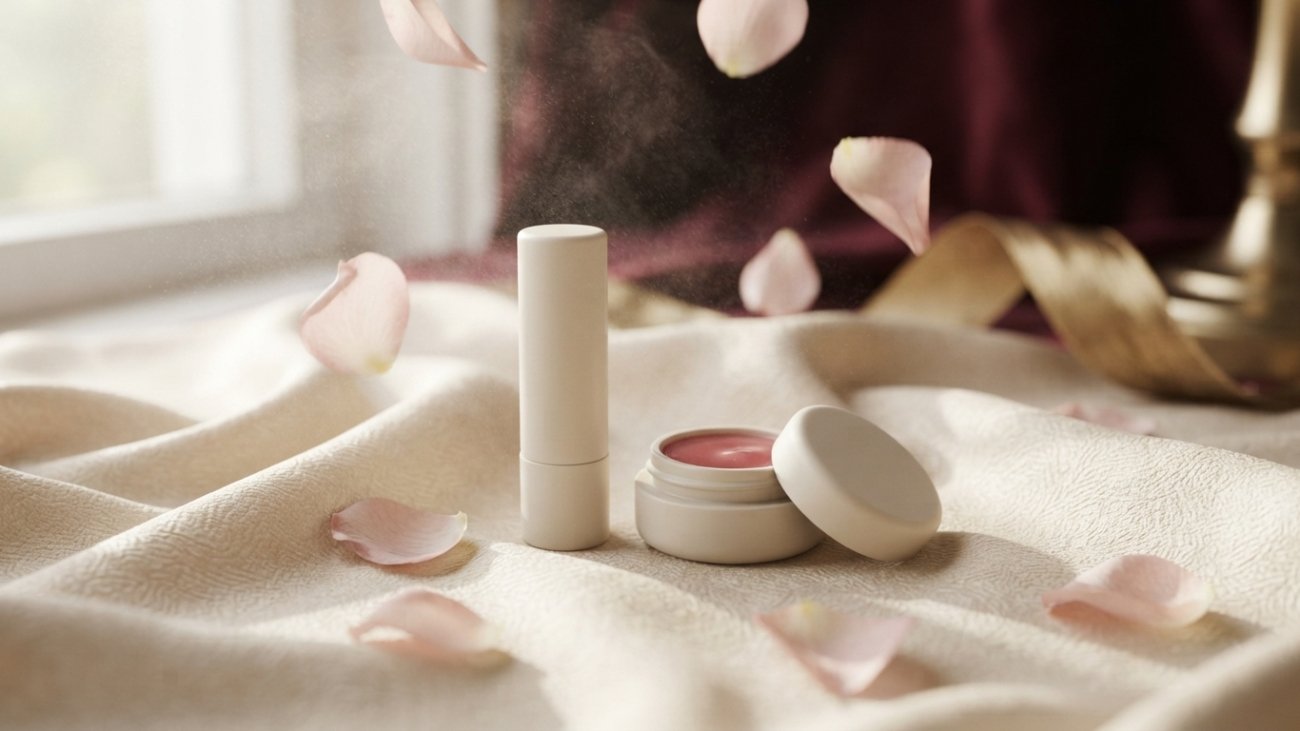
Quick answer: A lip care routine for dry lips is simple: use a fragrance-free lip balm several times a day and before bed, stop licking your lips, and wear a balm with SPF 30 or higher outdoors. Avoid irritating ingredients like camphor, menthol and fragrance. If your lips burn or sting, stop the product. See a dermatologist if they don’t heal.
Dry lips feel like a winter problem. In Pakistan, they’re a year-round one: strong sun, air-conditioned rooms and the habit of licking your lips all do their part.
The good news is that lips usually heal with a few simple habits. This guide gives you a lip care routine in three moments, a list of ingredients to choose and avoid, and a clear rule for lip makeup. If you want the basics for every skin type, start with our guide to the best skincare products in Pakistan.
Why do lips get dry and chapped?
The American Academy of Dermatology says cold, dry weather, sun damage and frequent lip licking are some of the main reasons lips feel dry and chapped. Licking feels like relief, but the AAD explains that as saliva evaporates, your lips become drier. Picking or biting your lips also irritates them and slows healing.
What is the three-moment lip care routine?
Here’s the rule I’d follow. It’s my own, built on AAD advice, so treat it as a suggestion. You do one small thing at each of three moments.
| Moment | What to do |
|---|---|
| Morning | Apply a non-irritating lip balm with SPF 30 or higher |
| Outdoors | Reapply the SPF balm every two hours, and wear a hat when you can |
| Before bed | Apply a thick, fragrance-free balm or white petroleum jelly |
The AAD also advises applying a non-irritating lip balm several times a day, and drinking plenty of water, since chapped lips are dry lips. If your lips are very dry and cracked, it suggests a thick ointment such as white petroleum jelly.
Which lip balm ingredients help, and which should you avoid?
This is where most people go wrong. According to the AAD’s advice on healing dry, chapped lips, look for balms that contain one or more of these:
- Petrolatum or white petroleum jelly
- Shea butter
- Ceramides
- Dimethicone
- Castor seed oil
- Hemp seed oil
- Mineral oil
- Zinc oxide or titanium oxide, for sun protection
And while your lips are chapped, the AAD says to stop using lip products that contain any of these:
- Camphor, menthol and eucalyptus
- Fragrance
- Flavouring, especially cinnamon, citrus, mint and peppermint
- Lanolin
- Octinoxate or oxybenzone
- Phenol and propyl gallate
You may see lanolin recommended on other websites. The AAD lists it as an ingredient to avoid while lips are chapped, so I’d follow the AAD. Read the label before you buy, and our guide to the skincare ingredient list shows how.
One more rule from the AAD is worth remembering: if your lips burn, sting or tingle after you apply a product, you’re irritating them, so stop using it. Many people mistake that tingle for a sign that the product is working.
Should you protect your lips from the sun?
Yes, even in winter. The AAD advises a lip balm with SPF 30 or higher and a sun-protective ingredient such as zinc oxide or titanium oxide, applied every two hours outdoors. Dry, chapped lips can burn more easily, and a burn could trigger cold sores.
A balm alone can wear off when you talk, eat or lick your lips. Dermatologists quoted by NBC News say a wide-brimmed hat gives extra protection. Our guide on how to choose sunscreen explains the SPF label.
Can you wear lip makeup on dry lips?
It depends on how dry they are. The AAD says to use non-irritating lipstick and lip products, and to stop any product that stings. Other dermatologists go further. One told USA Today that you should skip lip gloss and lipstick while your lips are dry, because they can worsen dryness and irritation.
Here’s my own rule. If your lips are only slightly dry, apply a balm first and let it settle for a few minutes before lip colour. If they’re cracked, sore or peeling, pause lip makeup until they heal, then ease back. Always check the ingredient list for fragrance and flavours. Our guide to choosing a lipstick shade helps when you’re ready, and you can browse our lip makeup collection and read each product page for details.
What habits make dry lips worse?
- Licking, biting or picking your lips.
- Using flavoured, minty or strongly scented balms.
- Applying a new lip product without a patch test.
- Holding metal items, such as paperclips or jewellery, against your lips, which the AAD says can irritate sensitive lips.
- Not drinking enough water.
- Skipping your balm before bed.
Does Pakistan’s weather change your lip care routine?
Yes. In cold, dry months, reapply your balm more often, as our winter skincare routine explains. In hot, sunny months, SPF and a hat matter most. In air-conditioned rooms, keep a balm at your desk. If your skin is dry too, our guide to skincare for dry skin has the full picture.
When should you see a dermatologist?
Most of the time, these tips heal chapped lips, and the AAD says you should notice an improvement in two to three weeks. If your lips don’t heal, see a board-certified dermatologist, because chapped lips can be caused by something other than dry weather. See one sooner if your lips bleed, swell or have sores.
FAQs about the lip care routine
What is the best lip care routine for dry lips?
Apply a fragrance-free lip balm several times a day and before bed, wear a balm with SPF 30 or higher outdoors, and stop licking your lips. Drink plenty of water, and stop any product that burns or stings.
Which lip balm ingredients should you avoid?
The AAD says to avoid camphor, menthol, eucalyptus, fragrance, flavours such as mint and cinnamon, lanolin, octinoxate, oxybenzone, phenol and propyl gallate while your lips are chapped.
Does licking your lips make them drier?
Yes. As saliva evaporates, your lips become drier than before. When you catch yourself licking, apply a non-irritating lip balm instead.
Do you need SPF on your lips?
Yes. The AAD recommends a lip balm with SPF 30 or higher and zinc oxide or titanium oxide, applied every two hours outdoors, even in winter.
Can you wear lipstick or lip gloss on chapped lips?
It’s best to pause until they heal. If your lips are only slightly dry, apply a balm first and choose products without fragrance and flavours. Stop any product that burns or stings.
How long do chapped lips take to heal?
With consistent care, the AAD says you should see noticeable improvement in two to three weeks. If your lips don’t heal, see a dermatologist.
Looking for gentle basics? Browse our skincare collection.