
 Cart is empty
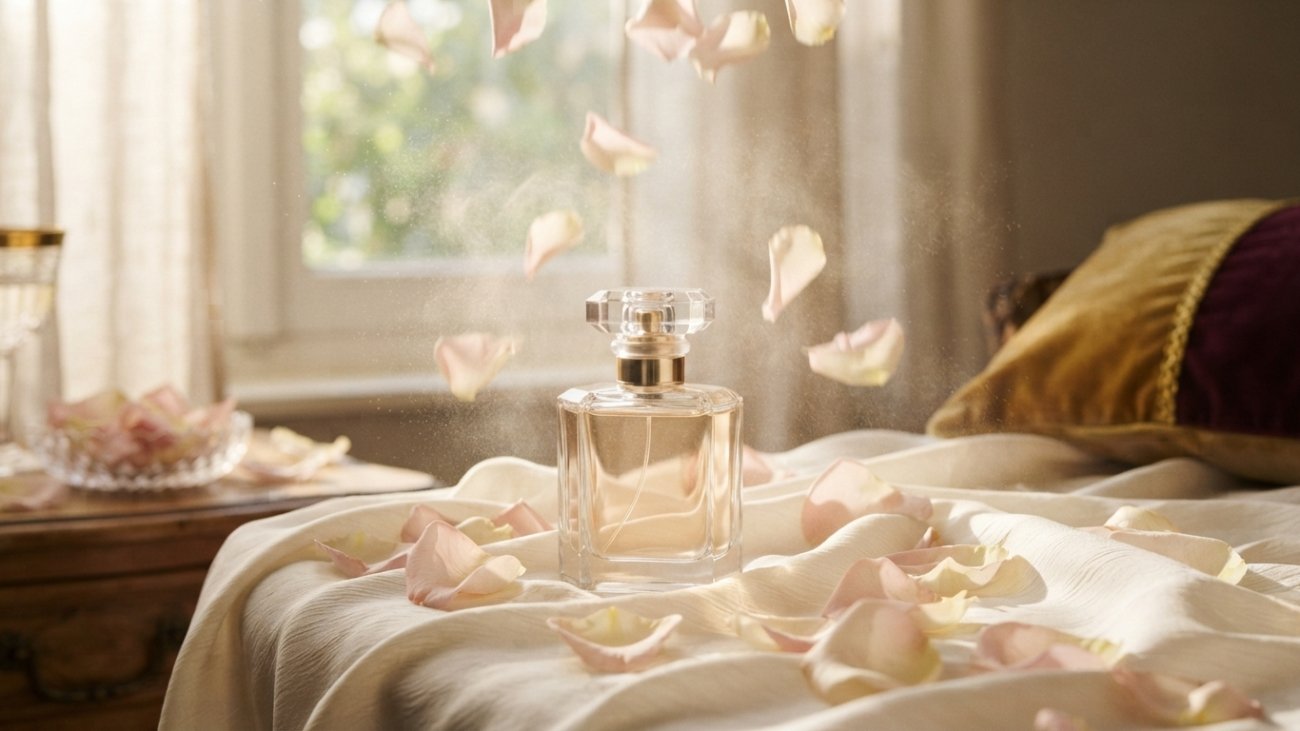
Quick answer: The best perfume for hot weather is one you’ve tested on your own skin in real heat. Choose lighter, fresher scents, apply a little less than usual, and reapply instead of spraying more at once. Store the bottle somewhere cool, and patch test before you wear a new perfume.
A perfume that smells lovely in an air-conditioned shop can smell completely different on a July afternoon. That’s the problem with buying fragrance by the shelf, and it’s an even bigger problem when you buy online.
I looked for solid research on how heat changes perfume and didn’t find much. Most advice comes from companies that sell fragrance, and the advice often contradicts itself. So this guide leans on practical testing, not on big claims.
Why does perfume behave differently in hot weather?
Honestly, nobody agrees. Some sellers say heat makes a perfume smell stronger and heavier. Others say it fades faster because sweat and warmth push it off your skin sooner. Both can be true for different perfumes and different people.
What does seem certain is that your skin, your sweat and the air around you all play a part. That’s why a friend’s favourite scent can smell odd on you, and why the same bottle can behave differently in January and in July.
So skip the theory. Test it.
How do you choose perfume for hot weather? Try the heat test
Here’s the method I’d use. It takes one afternoon.
- One spray. Put a single spray on your skin. Not on a paper strip, and not on several spots.
- Wait 30 minutes. The first few minutes show you the top notes only. Wait before you decide.
- Check in real heat. Walk around outside for a bit, or sit in a warm room. Notice the scent after one hour, and again after four.
Ask yourself three questions. Is it still pleasant? Is it too heavy now? Can you barely smell it? If it turns sticky, sharp or heavy in the heat, save it for cooler months. In case it fades completely, try a different style or reapply more often.
If you buy online and can’t test first, treat your first wear as the test. Start with one spray at home, not before an event.
Which scent styles suit hot, humid days?
Many sellers suggest lighter, fresher scents for summer. In my view, that’s a good place to start. Think citrus, green notes, light florals and soft musks. They tend to feel less overwhelming when you’re already warm.
But there is a catch. Rich, sweet or heavy scents aren’t banned. Some people wear them happily on hot evenings. The difference is how much you apply, and where you are. A scent that works in a cool, air-conditioned room can feel loud in a crowded, humid one.
| Style | How it may feel in the heat | Try this |
|---|---|---|
| Fresh and citrusy | Light and easy | Start with one spray |
| Light floral or fruity | Pleasant and soft | Reapply later in the day |
| Soft musk | Close to the skin | A good everyday choice |
| Heavy, sweet or dense | Can feel overwhelming | Save for cooler weather or evenings |
This table is my own guide, not a rule. Your skin has the final say.
How should you apply perfume in the heat?
Less is usually more. Here are the habits I’d follow:
- Start with one spray and add a second only if you need it.
- Apply to clean, dry skin, such as the neck or the inside of the wrists.
- Let it dry. Don’t rub your wrists together.
- Avoid spraying on skin that’s irritated or freshly sunburnt.
- Reapply later instead of putting on more at once.
Concentration matters too. A lighter formula such as eau de toilette, or a body mist, often feels easier in summer. Our guides to eau de parfum vs eau de toilette and to body mist vs perfume explain the difference.
How should you store perfume in hot weather?
Heat and sunlight are hard on fragrance. Many perfume sellers advise keeping bottles in a cool, dark place, away from windowsills, cars and the bathroom, where steam lingers after showers. I’d follow that advice. It costs nothing.
Parcels need a quick look as well. A bottle that travelled in summer heat can arrive in poor shape. The US Food and Drug Administration advises you to throw away cosmetics if the colour or smell changes. If a perfume looks cloudy, darker or smells off when it arrives, don’t wear it. Take photos and message the seller.
Is perfume safe for sensitive skin?
Some people react to fragrance, so it’s worth being careful. Before you wear a new perfume often, patch test it on a small area of skin.
Reading the label won’t tell you much, though. The FDA explains that fragrance ingredients can be listed simply as “Fragrance”, and that some products labelled “unscented” may still contain fragrance ingredients. If you react, write down the product’s name, so you know what to avoid next time. Our guide to the skincare ingredient list shows how to read labels.
Which mistakes should you avoid?
- Choosing a perfume from one sniff in an air-conditioned shop.
- Spraying five times because the first spray seems weak. Your nose gets used to a scent quickly.
- Storing perfume in a hot bathroom or a car.
- Wearing a new perfume for the first time at an event.
- Ignoring a rash or itching because the bottle looks expensive.
FAQs about perfume for hot weather
What is the best perfume for hot weather?
The best one is the one that passes your own heat test. Many sellers recommend lighter, fresher styles such as citrus, green notes and light florals. Test one spray on your skin and check it after one hour and after four.
Is eau de parfum too strong for hot weather?
Not always. Eau de parfum is usually more concentrated, so it can feel stronger, but you can use less. Try one spray and wait. If it feels heavy, a lighter concentration or a body mist may suit hot days better.
Where should you spray perfume in summer?
Many people spray the neck or the inside of the wrists, on clean, dry skin. Use one spray first, and let it dry without rubbing. If you spray clothes, test a hidden spot first, because some perfumes can stain fabric.
Why does my perfume smell different in hot weather?
Your skin, sweat, the air and the perfume itself all play a part, and sellers disagree on exactly how. Some perfumes feel stronger in heat and others fade sooner. That’s why testing on your own skin is better than trusting a description.
How should you store perfume in summer?
Keep it in a cool, dark place, away from direct sun, hot cars and steamy bathrooms. Throw it away if the colour or smell changes, as the FDA advises for cosmetics.
Can perfume cause skin reactions?
Yes, some people react to fragrance ingredients. Patch test a new perfume on a small area first, and stop using it if you notice redness, itching or stinging. If a reaction is strong or spreads, see a doctor.