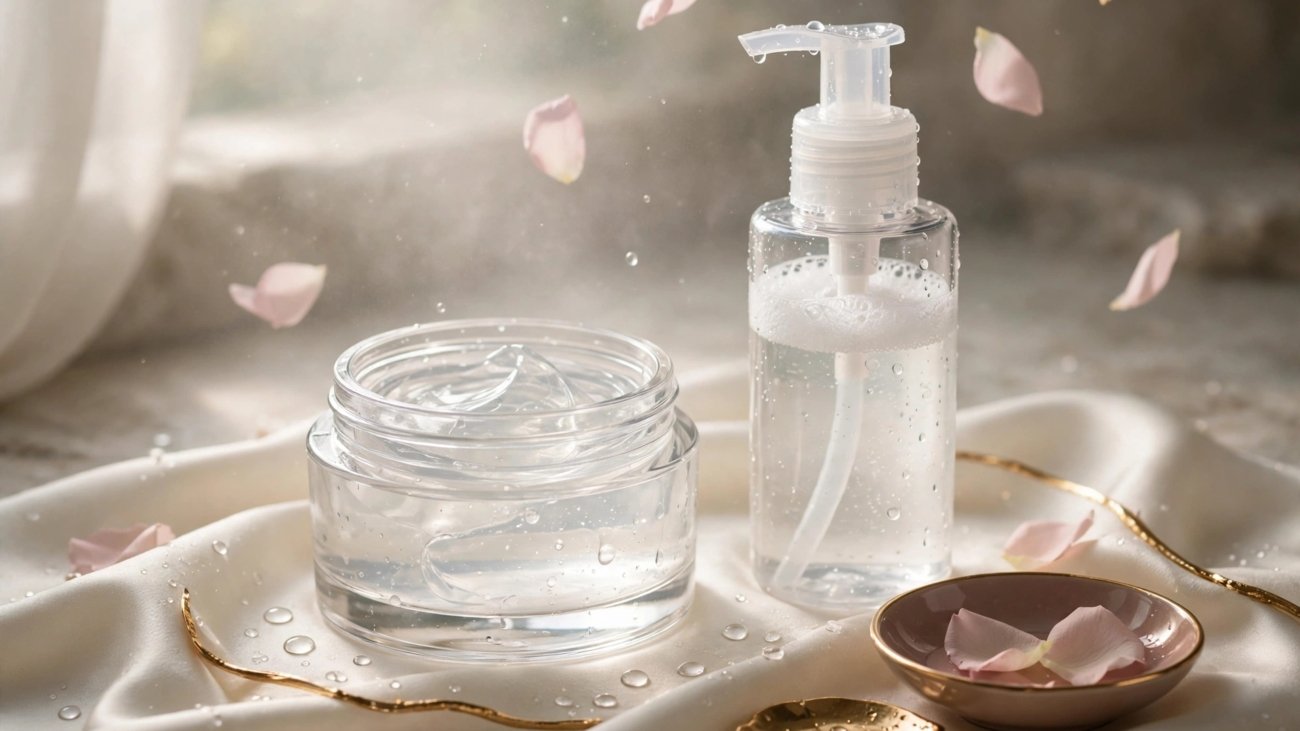
Gel moisturizer jar and foaming cleanser on cream silk with rose petals, skincare for oily skin in Pakistan

Skincare for Oily Skin in Pakistan: What to Use

Quick answer: Skincare for oily skin works best when it’s gentle, not harsh. Wash up to twice a day and after sweating with a mild foaming face wash. Always moisturize with a light, non-comedogenic product, and wear sunscreen. Don’t scrub, and use blotting papers for shine. If breakouts continue, see a dermatologist.

If your skin is shiny by noon, your first instinct is to wash it harder. That instinct is usually wrong. Strong soaps, scrubs and five washes a day tend to make oily skin angrier, not calmer.

Good skincare for oily skin is mostly about what you stop doing. This guide shows a simple routine, a two-week reset for when you’ve overdone it, and the small habits that keep shine under control in Pakistan’s weather.

What does oily skin actually need?

It needs balance. The American Academy of Dermatology says oily skin can clog pores and lead to more acne breakouts. However, it also points out that oil helps preserve skin, and people with oily skin tend to have thicker skin and fewer wrinkles.

So the goal isn’t to remove every drop of oil. The goal is to keep shine manageable without stripping your skin, because a stripped, irritated skin can look worse.

What is the best skincare for oily skin?

Keep it short. Three products do most of the work, and the AAD’s advice fits them neatly.

StepWhat to doWhat to avoid
CleanseUse a gentle, foaming face wash up to twice a day and after sweatingStrong washes and scrubbing, even to remove makeup
MoisturizeApply a light moisturizer after cleansingSkipping it because your skin is oily
ProtectWear a broad-spectrum sunscreen with SPF 30 or higherSkipping it on cloudy days
During the dayUse blotting papers for shineTouching your face again and again

The AAD also suggests looking for a moisturizer that contains a broad-spectrum sunscreen with SPF 30 or higher, to save time. HealthDay’s summary of AAD advice adds that you should choose products labelled “oil free” and “noncomedogenic”. The second word simply means the product is made not to clog pores.

For the basics of every skin type, see our guide to the best skincare products in Pakistan.

Why does a harsh face wash make oily skin worse?

Many people believe a strong face wash will dry out the oil. The AAD says the opposite happens. A face wash that is too harsh can irritate your skin and trigger increased oil production.

You may have overdone it if your skin feels tight right after washing, stings when you apply products, or looks shiny and rough at the same time. These are my own warning signs, not an AAD checklist. They’re worth taking seriously.

Try the two-week reset

This is a method I like when oily skin feels irritated. It’s my own approach, so treat it as a suggestion.

  1. For 14 days, use only three products: a gentle foaming wash, a light moisturizer and a morning sunscreen.
  2. Don’t scrub, peel or try any new product.
  3. When shine builds up, use blotting papers instead of washing again.
  4. After 14 days, check your skin. If it feels calmer, add one new product, and patch test it first.

How do you control shine during the day?

Washing isn’t the only answer, and it often isn’t the best one. The AAD suggests a few simple habits:

  • Use blotting papers throughout the day. Press, don’t rub.
  • Don’t touch your face. The AAD notes that it can spread dirt, oil and bacteria from your hands to your face.
  • Wash after you sweat a lot, but don’t scrub.
  • If you wear makeup, products labelled “matte” can help reduce shine.

If you’re building a first makeup kit, our makeup starter kit guide explains why a face powder earns its place.

Does Pakistan’s weather change your routine?

It does. In sticky, humid months, shine usually feels worse and heavy products feel worse still. Our guide to skincare for humid weather explains the 3 pm mirror test and a “swap, don’t add” routine.

In winter, oily skin can feel tighter than usual. You don’t need to switch everything to a heavy cream. A slightly richer moisturizer on dry patches and lukewarm water instead of hot are often enough. Our winter skincare routine covers the details.

Which oily skin claims should you skip?

Be careful with any product that promises to “control oil in a day”, “shrink pores” or “treat” breakouts. Beauty products can’t promise those results. Also steer clear of skin-lightening creams, since the FDA has warned that some contain high levels of mercury. Our guide to identifying original cosmetics in Pakistan explains why.

I’d also leave strong acids and other active products until your basics are steady. That’s my own preference, not a rule. If you want to use one, patch test it, add it alone, and ask a dermatologist if you have breakouts.

When you shop for skincare for oily skin online, ask for a photo of the back label and check the ingredient list before you order.

When should you see a dermatologist?

See a dermatologist if breakouts are painful, keep coming back, leave marks, or don’t improve with a gentle routine. A new cream can’t replace proper medical advice, and it can sometimes make things worse.

FAQs about skincare for oily skin

What is the best skincare for oily skin?

A simple routine: a gentle foaming face wash, a light moisturizer and a broad-spectrum sunscreen with SPF 30 or higher. Add blotting papers for shine, and avoid scrubbing. Introduce any extra product slowly and patch test it first.

Should oily skin use a moisturizer?

Yes. The AAD says that even if you have oily skin, it’s still important to apply moisturizer to keep your skin hydrated. Choose a lighter, oil-free, non-comedogenic product and apply it after cleansing.

How often should you wash oily skin?

Up to twice a day, and after sweating, according to the AAD. Use a mild, foaming face wash, and don’t scrub. Washing more often than that can irritate your skin.

Why does my oily skin feel tight?

It may be irritation from a harsh face wash, scrubbing or too many products. The AAD notes that a harsh wash can irritate skin and increase oil. Try the two-week reset, and see a dermatologist if the tightness or redness continues.

Do blotting papers really help?

The AAD recommends using them throughout the day. They lift surface oil without another wash. Press the paper gently on shiny areas, and don’t rub, so you don’t irritate your skin.

Which makeup suits oily skin?

The AAD says products labelled “matte” can help reduce shine from oily skin. Apply moisturizer and sunscreen first, and wash makeup off at night without scrubbing.

Looking for gentle basics? Browse our skincare collection at your own pace, or message us with any question before you order.

Cleanser, moisturizer and serum bottles on silk for a skincare routine for beginners

Simple Skincare Routine for Beginners in Pakistan

Quick answer: A skincare routine for beginners needs only three steps: cleanse, moisturize and protect with sunscreen. Do all three in the morning, and cleanse and moisturize at night. Add nothing else for the first few weeks. A simple routine you actually follow beats a ten-step one you abandon by Friday.

Scroll through Instagram and you’ll find ten-step routines everywhere. They look impressive. They also put most beginners off, and they cost a lot. So let’s keep this short and fit it to Pakistan’s weather and budgets.

What does a simple skincare routine look like?

Here’s the whole plan.

Morning: cleanse, moisturize, sunscreen.
Night: cleanse, moisturize.

That’s five small actions a day. No toner, no scrub, no mask, no serum. Not yet.

I know that sounds boring. Good. Boring routines are the ones people stick with, and sticking with it matters more than any single product.

How do you find your skin type without guessing?

Wash your face with a gentle cleanser and pat it dry. Then leave it bare for an hour and look in the mirror.

  • Tight or flaky? Your skin is probably dry.
  • Shiny all over? Probably oily.
  • Shiny only on the forehead and nose? Probably combination.
  • Red or stinging? It may be sensitive.
  • Comfortable and even? Probably normal.

This is a home check, not a diagnosis. If something looks like more than a skin type, see a dermatologist.

How do you choose and use a cleanser?

Start here, because the way you wash matters as much as what you wash with. The American Academy of Dermatology (AAD) gives clear advice in its face washing guide. Use a gentle, non-abrasive cleanser without alcohol. Apply it with your fingertips and lukewarm water. Don’t scrub. Pat dry with a soft towel.

The AAD also says to wash twice a day, plus once after heavy sweating. That second part matters in Pakistan. After a hot commute or a day in humid weather, rinse your face sooner rather than later.

My opinion? Don’t spend big on a cleanser. It’s on your skin for about a minute and then it goes down the drain. Save your budget for the next two steps.

Which moisturizer should a beginner pick?

Everyone needs one, even if your skin feels oily. What changes is the texture.

Skin typeTexture to tryWatch out for
DryA richer creamSkipping it in winter
OilyA light, non-comedogenic lotion or gelHeavy, greasy creams
CombinationA light lotion, with a richer layer on dry patchesUsing one thick cream everywhere
SensitiveA simple formula with few ingredientsStrong fragrance

The AAD tells readers to look for a label that says “non-comedogenic”, which means it shouldn’t block pores. Its dermatologists also suggest treating combination skin like two faces. Moisturize the dry spots and go easy on the oily ones. You can read the full advice in the AAD guide to picking a moisturizer.

One more thing. If your skin is sensitive, don’t assume “natural” or “organic” means gentle. A dermatologist quoted by the AAD warns that plant-based ingredients can aggravate allergies in some people.

Why is sunscreen the one step you can’t skip?

If I could keep only one product, it would be sunscreen. Not the serum. Not the fancy cream.

The AAD recommends a sunscreen that’s broad-spectrum, SPF 30 or higher and water resistant. It says to put it on before you go outside, and to reapply about every two hours when you’re out. Its sunscreen guide also points out that people who get sunburned usually used too little, or didn’t reapply.

Think about your real day. Bike rides, rickshaws, school runs, rooftops, walks to the market. That’s a lot of sun, even when the sky looks grey. So check the label, use enough and put it on last, after your moisturizer.

What’s the two-week rule for adding new products?

This is the part most guides skip, and it’s the part I care about most.

Add one new product at a time, and give it two weeks before you add another.

Why two weeks? Because the AAD advises testing a new skincare product on a small patch of skin first. It suggests applying it twice a day for seven to 10 days, and it warns that even products labelled natural or hypoallergenic can cause a reaction. You can read it in the AAD guide to testing skin care products.

Add three products in one week and your skin reacts? You won’t know which one did it. Add one and you’ll know straight away.

What should beginners skip for now?

  • Scrubs. The AAD says scrubbing irritates the skin.
  • Hot water. It feels nice. Lukewarm is better for your face.
  • Several new products at once. See the two-week rule above.
  • A serum on day one. Wait until the basics feel settled.
  • “Guaranteed” promises. If a seller guarantees results, I’d walk away.

How should your routine change with the seasons in Pakistan?

Your three steps stay the same. Only the textures change.

SeasonWhat to adjust
Hot, humid summerChoose a lighter moisturizer. Rinse after you sweat. Reapply sunscreen when you’re outside.
MonsoonKeep it simple, use a clean towel and don’t layer extra products.
Dry winterSwitch to a richer cream. Use lukewarm water, not hot.
Air-conditioned rooms or heatersMoisturize a little more often, because indoor air can dry your skin.

These are general tips. Your own skin is the final judge.

Which Velmii products fit this routine?

Velmii’s skincare collection lists a Gentle Foaming Face Wash, a Hydrating Face Cream and a Vitamin C Serum. Here’s how I’d use them.

  • Step 1: the face wash for your morning and night cleanse.
  • Step 2: the face cream as your moisturizer.
  • Later: the serum, only after your basic routine feels settled. Then apply the two-week rule.

Check each product page for the size, ingredients and current price, because details can change. Read the ingredient list and patch test, especially if your skin is sensitive. And whichever sunscreen you pick, check the label for SPF 30 or higher, broad-spectrum and water resistance.

If you’re also wondering where to buy safely, read our guide on how to identify original cosmetics in Pakistan. And for a wider look at products, see our guide to the best skincare products in Pakistan.

What mistakes do beginners make most often?

Mostly the same few. Freshers buy five products in one go. They kip sunscreen because it’s “just a cloudy day”. Those people scrub harder when they see a pimple. They switch products every week, then wonder why nothing works.

Skin doesn’t change overnight. Give a simple routine several weeks before you judge it, unless it irritates your skin. If it stings, burns or turns red, stop using it. And if breakouts or irritation hang around, see a dermatologist rather than adding more products.

Frequently Asked Questions

What is the simplest skincare routine for beginners?

Cleanse, moisturize and apply sunscreen in the morning. Cleanse and moisturize at night. Skip extras like serums, toners and scrubs until this feels easy. Add new products one at a time, with about two weeks between each.

How many times a day should I wash my face?

Twice a day, once in the morning and once at night, plus once after heavy sweating. This follows the American Academy of Dermatology’s face-washing advice. Use lukewarm water and a gentle cleanser, and avoid scrubbing.

Do I need a moisturizer if I have oily skin?

Most people still benefit from one. Choose a light formula that says “non-comedogenic” on the label, and use a small amount. If you’re unsure, a dermatologist can look at your skin and advise you.

Which SPF should I use every day?

The American Academy of Dermatology recommends sunscreen that is broad-spectrum, SPF 30 or higher and water resistant. Apply it before going outside, and reapply about every two hours when you’re out in the sun.

Can I start my routine with a serum?

I’d suggest not. Start with a cleanser, a moisturizer and sunscreen. Once those feel comfortable, add one serum at a time and patch test it first.

How long does it take to see results from a new routine?

Skin changes slowly, so judge a routine over several weeks, not a few days. However, stop using any product that causes stinging, burning or redness, and speak with a dermatologist if the problem continues.

Ready to start? Browse Velmii’s skincare collection and pick your first two products.